


By MIKE COURSON
Great Bend Post
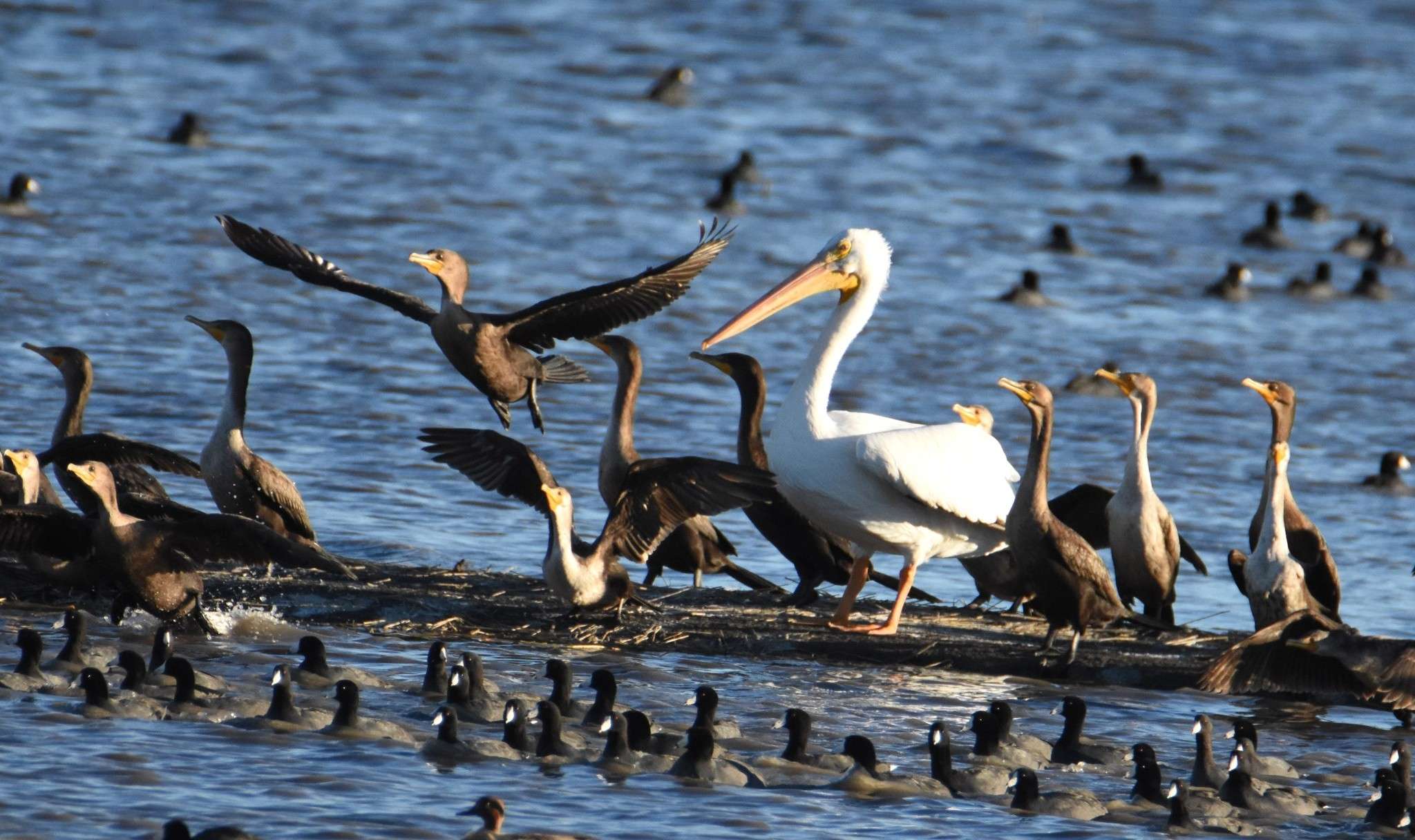
It's full-fledged migration season. Kansas Wetlands Education Center Director Curtis Wolf said many species of birds can now be viewed at Cheyenne Bottoms as part of the fall migration. But the numbers and types of birds can vary day to day.
"We like change, and bird migration is all about change," he said. "It literally can be different from hour to hour at times. Having water at Cheyenne Bottoms this fall, which we haven't had for the last three years, makes it that much better."
Particularly large in number are American coots and Franklin's gulls. Black birds are viewed by some as a pest, and though numbers are still down from previous years, they also put on their own show in the evenings.
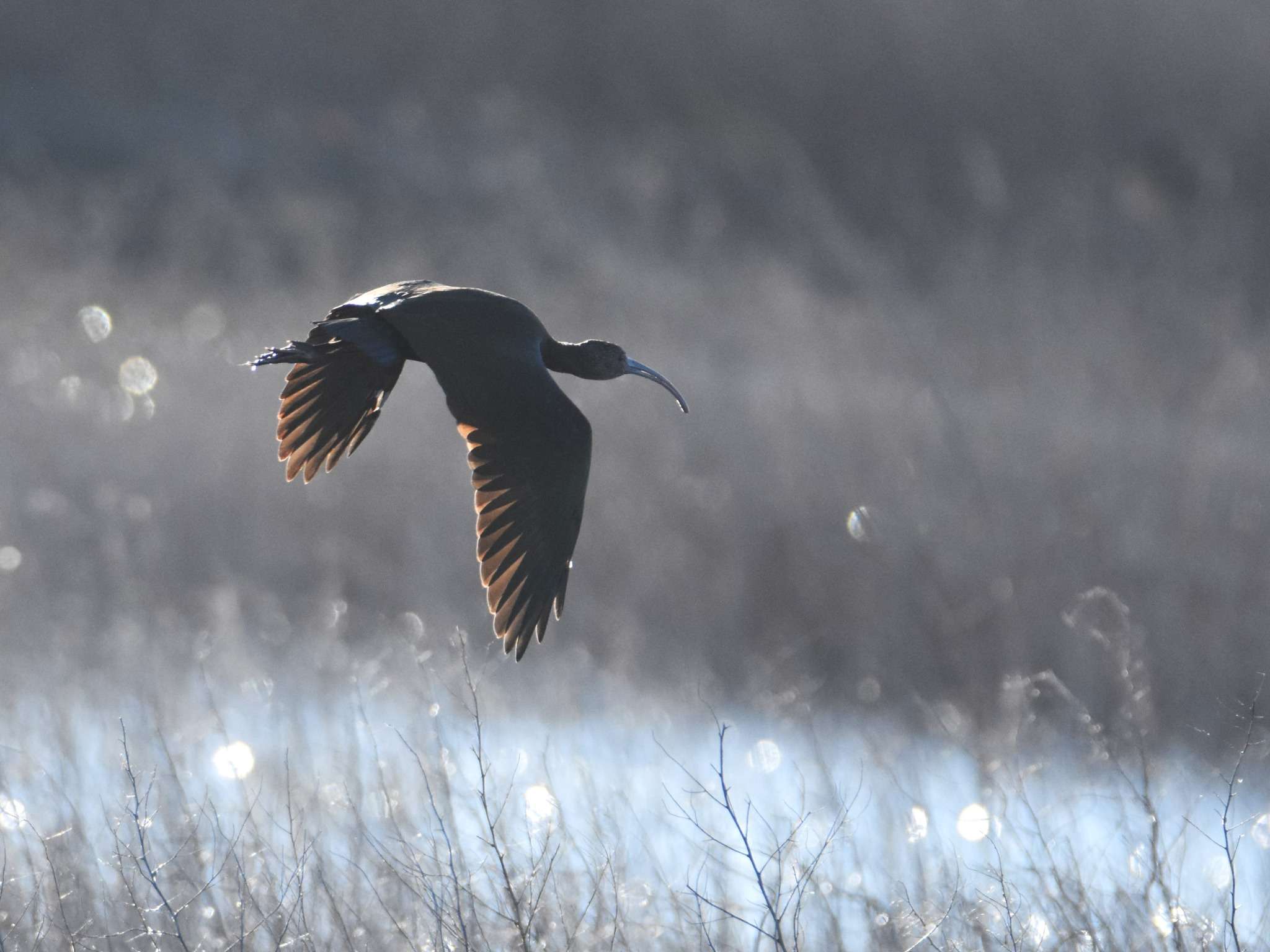
"We get these things called murmurations, especially in the evenings," Wolf said. "You'll see these huge groups of black birds that congregate. They form these groups that move around, and they almost look like smoke plumes in the distance. It's pretty neat."
Other species spotted in mass at the Bottoms in recent weeks include double-crested cormorants, grebes, and American White pelicans, which differ from brown pelicans that are most likely to be seen in coastal regions. Cool weather may be pushing the birds south, but Wolf said there are more significant factors, such as shorter days that are driving the birds into warmer regions.
"There have been numerous bird watchers coming to the area and spending several days touring Cheyenne Bottoms and going down to Quivira," Wolf said. "Quivira is in wonderful shape. There have been some huge groups of birds there, as well. The habitats - they're both wetlands - but inevitably, they hold different things. There has been some excellent bird watching down there."
Cranes seem to favor Quiviria National Wildlife Refuge over the Bottoms. Wolf will be speaking at the Audobon of Kansas Celebration of Cranes, which is scheduled for this Friday and Saturday in Sterling. The event will feature guided tours through Quiviria.