


By MIKE COURSON
Great Bend Post
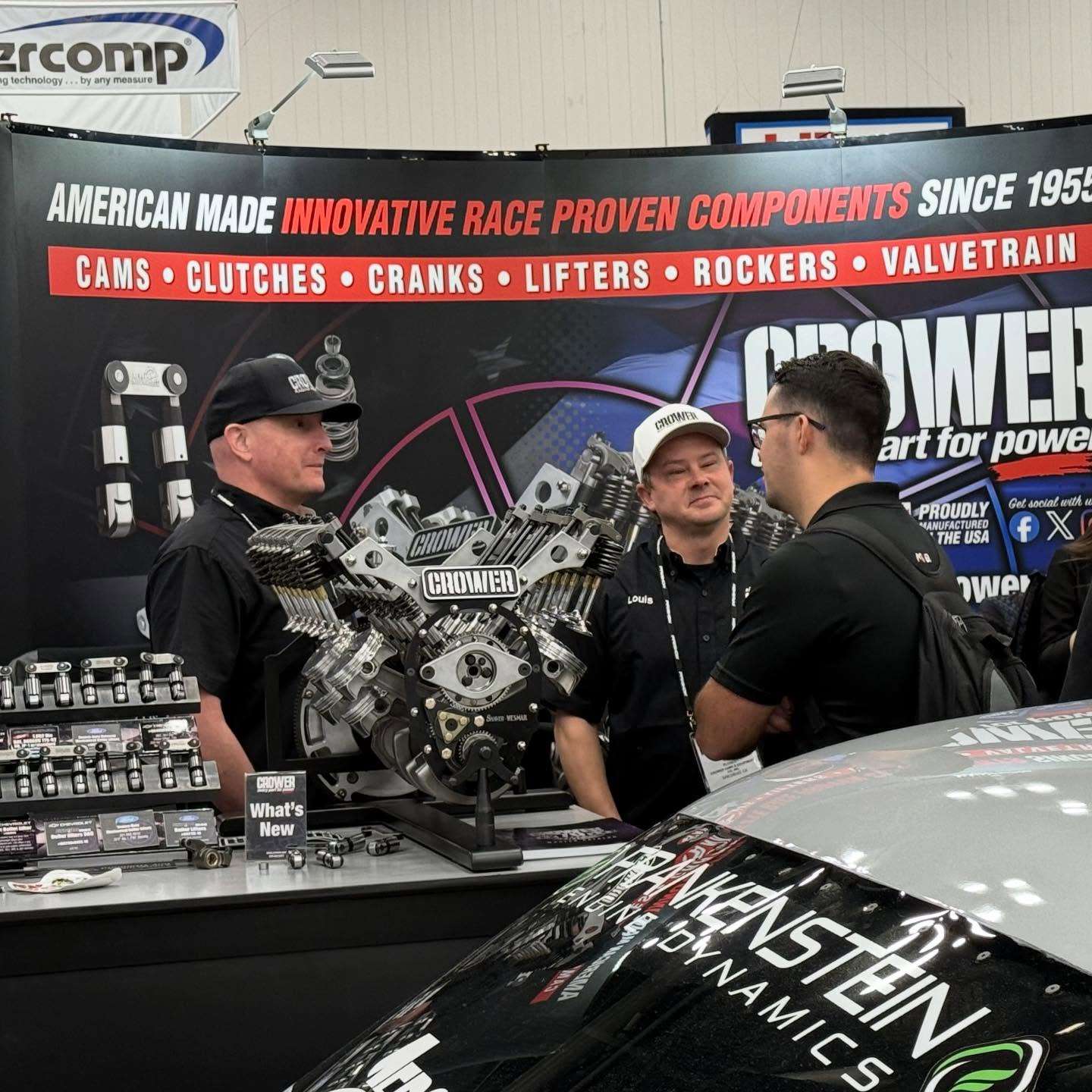
The recent layoffs at Fuller Industries have highlighted the importance of businesses in the community, the jobs they provide, and how those jobs benefit the rest of the community. That was the message Great Bend Economic Development Executive Director Jason Kuilan shared with the Great Bend City Council Monday night before a vote to approve a $250,000 one-time incentive from the city to help bring Crower Cams & Equipment Co. to Great Bend.
“While we cannot control foreign private equity decisions that impact our local economy, we can control how we respond,” Kuilan said. “That is precisely why our efforts to recruit new manufacturers, create quality jobs, and strengthen Great Bend’s economic future are so important.”
The council voted 8-0 in favor of giving Crower the $250,000 incentive with a caveat. City Administrator Logan Burns, City Counselor Allen Glendenning, and Mayor Alan Moeder will work on a plan that may include staggered payments as company milestones are met. Operations could begin soon as a lease at the Fuller building opens on Dec. 1.
Crower is a family-founded American manufacturer with more than 70 years in the automotive performance industry. Founded in 1955 by Bruce Crower, and now headquartered in San Diego, the company has spent generations building a reputation for American-made performance and racing components. Today, the company is run by Bruce’s grandson, Louis Floquet.
The opportunity to bring Crower to Great Bend was not an accident. Kuilan said he has spoken with Louis and his wife, Stephanie, virtually every day since January. When the Floquet’s brought their two boys for a visit, more than 100 people showed up at Dry Lake Brewing to meet them. Kuilan said those things matter.
“Carrying on my grandfather Bruce Cower’s legacy means everything to us, especially keeping Crower family-owned and proudly made in the U.S.A.” Crower said in a comment to Kuilan. “Great Bend’s racing history, especially the SRCA Dragstrip, makes this move even more special because racing is what Crower is built on. We’re excited to grow the company in a community that shares our passion for racing and the same values we want to raise our family around.”
Crower currently employs approximately 60 workers at its facility in San Diego. Kuilan said Louis expects a small downsize in operations as new equipment is purchased, but the expectation is to provide 50-75 jobs in the first five years should the facility move to Great Bend. With an average wage of $50,000, that means $2.5-3.75 million in annual wages added to the local economy.
Along with the city’s commitment of $250,000, the state of Kansas has also committed a long-term relocation incentive package, along with $250,000 in discretionary funds to help offset the costs of moving to Kansas. Barton County Commissioners will make a similar vote in their meeting Tuesday morning.
“This investment has the potential to create millions of dollars in annual payroll, support local businesses, and put a major industrial asset back to productive use, and establish a long-term manufacturing presence in our community,” Kuilan said. “However, the question before us is bigger than a cost incentive. It’s about what kind of community we want Great Bend to be, and what opportunities we’re willing to pursue to get there. The decisions we make today will help shape the jobs, businesses, families, and opportunities that will define Great Bend over the next 10, 20 and 30 years.”
Kuilan also emphasized the importance of economic development organizations in bringing new businesses to communities. If an area cannot submit a competitive bid, other cities will.
“Economic development requires understanding that competitive environment, evaluating opportunities, negotiating carefully, and knowing when an incentive makes sense and when it doesn’t,” Kuilan said. “Organizations like Great Bend Economic Development serve as facilitators, bringing together manufacturers, local governments, financial institutions, workforce partners, and businesses to turn these opportunities into reality.”
Monday’s vote of approval did not come without questions. Councilmember Gary Parr asked if it was wise to put all the eggs in one basket, suggesting instead a staggered payment option.
“Other businesses are going to look at this,” Parr said. “Just being the devil’s advocate, they’re going to go, ‘Wow, you just handed those guys a quarter of a million dollars to move you here.’ Which I’m totally for it. I’d like to have a race car industry here right next to the racetrack. It’s a perfect setup. But, that question will get raised a million times, why didn’t we maybe take this in steps?”
Councilmember Jay Luerman warned that the intent behind the incentives was to cover moving and setup costs and should not be delayed too long.
“Just in my opinion, I don’t think we want to delay it too long because it costs millions of dollars for them to move,” he said. Some of that incentive is to get them operating pretty quickly. My two cents, I don’t think we want to delay that multiple years because this is the cost of doing business.”
Kuilan also warned that economic development is far more than cash incentives and tax abatements. Before a move, owners are evaluating whether a new community can support its employees and families, including housing, schools, healthcare, and quality of life.
“We need more housing in Barton County,” he said. “As of yesterday on Zillow, there were 89 homes for sale across the entire county. Four of those homes were built after 1990. Think about what that means when we’re trying to recruit a new manufacturer that could employ 50, 75 or more people. Where are those families going to live? How can we realistically expect to attract additional manufacturers if we cannot provide housing options for the workforce they will need?
“We cannot wait until a company announces a relocation to begin thinking about these things. If we want to recruit the next manufacturer, we need to be preparing for that opportunity today.”
One final incentive discussed Monday night was property tax abatement, which will be addressed if and when property is purchased. Kuilan suggested a ladder structure with deferred tax payments the first year, then the deferred percentage getting cut each year over the next decade.