


By MIKE COURSON
Great Bend Post
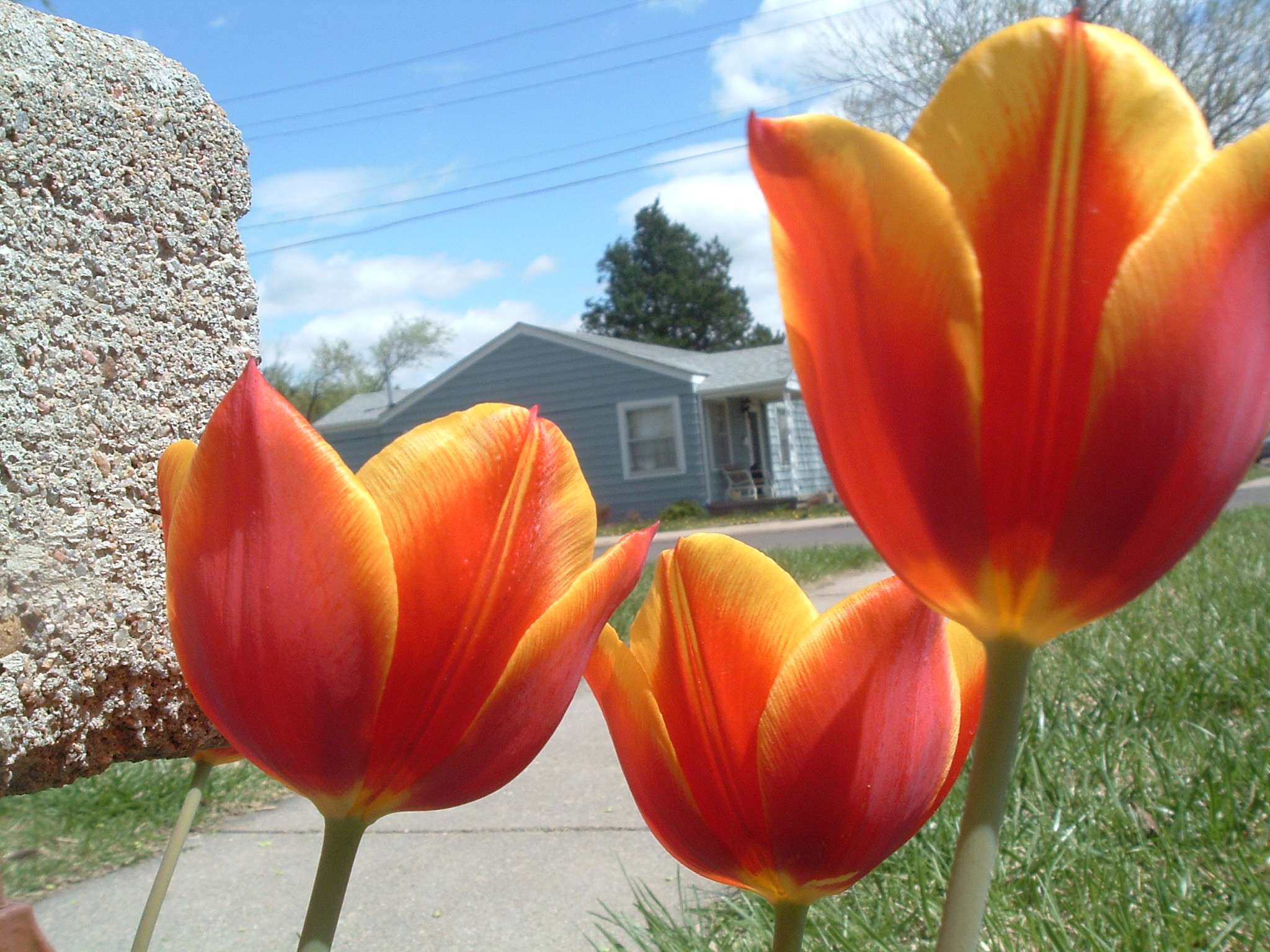
The average chicken egg takes about 21 days to hatch. The gestation period for a house cat is approximately nine weeks. The plants around Kansas, however, are a little less predictable. The average February temperature in Kansas ranges between 25 and 45 degrees Fahrenheit. Alicia Boor, agriculture and natural resources agent in the Cottonwood District for K-State Research and Extension, said a stretch of days with highs in the 70s and even 80s could impact plant life across the region.
“A lot of it has to do with soil temperature, so if we keep having these nice, warm days, and the soil warms up, some of your early flowering plants may start coming up and trying to bloom,” she said.
Those same plants may then be impacted again if another cold snap hits. Thin-barked trees are also susceptible to temperature changes. The warm sun, especially hitting the west side of the trees, can cause the trees to begin moving sap. Damage may occur if temperatures drop and the sap freezes.
“If your tree is otherwise healthy, they can usually grow with it and it will just be a long-standing scar on the tree because the tree will close it off,” Boor said. “If your tree is already suffering from something else – lack of water, insect damage, or anything like that – it could be something that would cause it to have significant damage. It just really depends on the situation.”
Other living things are less likely to be impacted by the unusually high temperatures. Boor said insects in Kansas are well-adapted to the changes. They may come above ground on the warmer days, then return below ground to survive the cold.
“Snakes are the same way,” said Boor. “If you get a couple days of really nice weather, you might see some snakes out sunning themselves, but then they’ll go underground when it gets cold.”