


By DALE HOGG
Barton County Media Consultant
In acknowledging confusion swirling around the revenue-neutral notices mailed to Barton County taxpayers, the County Commission took the opportunity Tuesday morning to announce its intention to not exceed the RNR in its 2026 budget. This marks the fifth consecutive year the commission has chosen to stay below the RNR, a move that aligns with its position to operate in a fiscally responsible manner.
The RNR, established by the Kansas Legislature's 2021 Truth in Taxation Act, is the mill levy rate that allows a taxing entity to collect the same amount of property tax revenue as the previous year, accounting for changes in a county's total assessed property valuation. If an entity plans to exceed that rate, it must hold a hearing.
Commission Chairwoman Tricia Schlessiger noted during the meeting a significant increase in calls from residents confused by the RNR notices. The notices are not tax bills, but they can be misleading and are often mistaken for one, leading some residents to believe their taxes have already increased.
The revenue neutral rate notice is not a bill, commissioners stressed. it is required by the state to inform the taxpayers of which subdivision plans to exceed the RNR.
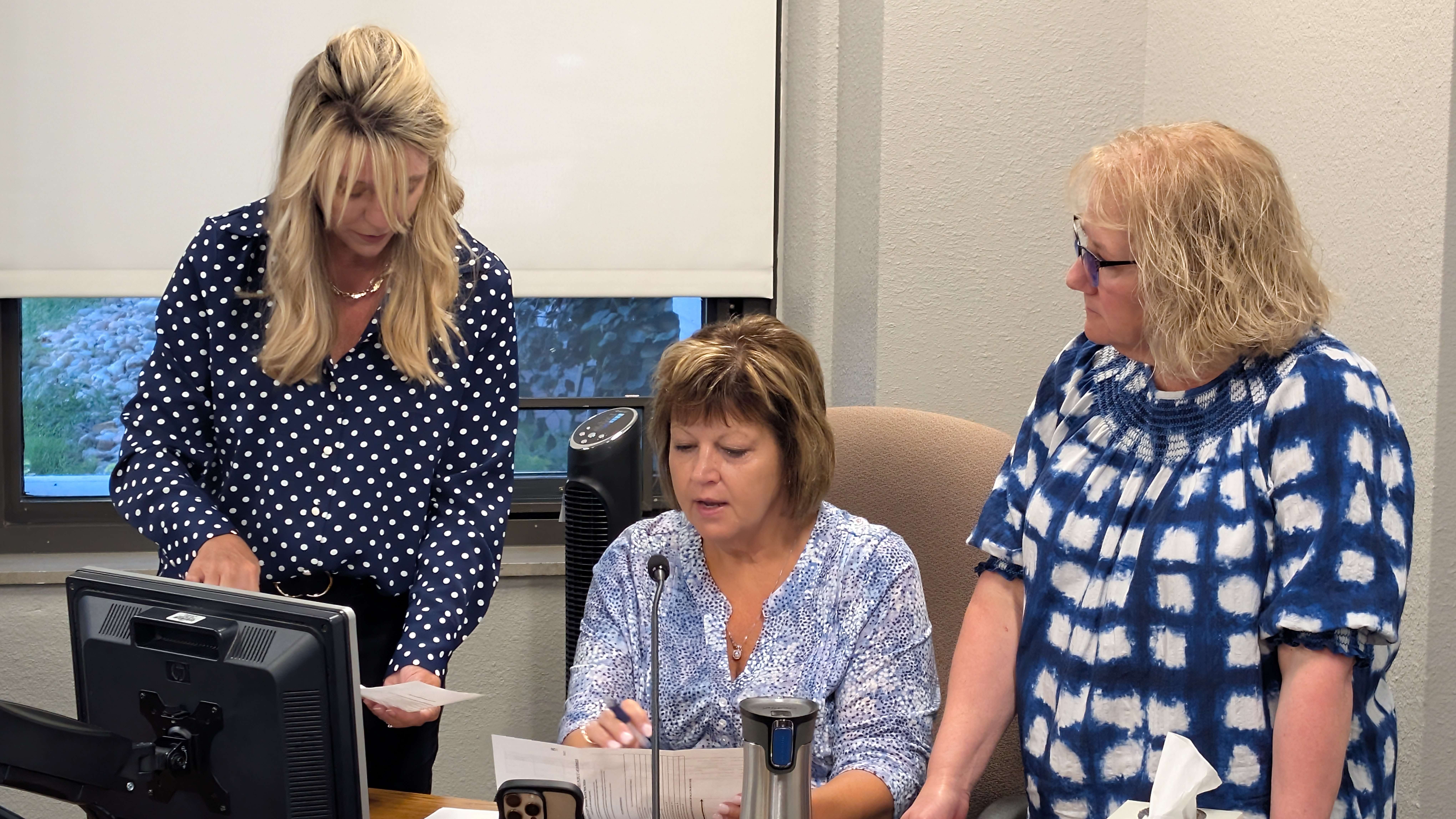
"It shows which entities are exceeding their revenue-neutral rate, where the hearings are, and the times for them," Schlessiger said. "It shows your tax value from one year to the next year, and then it shows the revenue-neutral rate if an entity chose to exceed it. It's a little difficult to read."
County Clerk Bev Schmeidler emphasized the notices are intended to inform taxpayers which entities are proposing to exceed the RNR and where and when public hearings for those entities will be held. Residents are encouraged to review their notices carefully and attend the appropriate hearings to voice their opinions.
Officials clarified that the county's portion of a resident's total tax bill is a small percentage, typically between 18% and 22%. The county collects property taxes on behalf of all taxing entities within its borders but is only responsible for the portion that funds county services.
"If we're not going up but everyone else goes up, then your tax bill is going to be higher, and we're the ones sending the bill, but we're not the ones raising your taxes," Schlessiger said.
The numbers on the notices are just an estimate, based on information her office has now, and they won’t be final until after budgets are done, Schmeidler said. "We tell (taxpayers) it shows where the hearings are and when so they can go and voice their opinions on things."
This is the fifth year for the RNR notices, and the look of them has changed every single year. "So I think that is confusion as well, because it doesn't look the same every year. They can't follow it," Schmeidler said.
"It would be great if we just got rid of RNR, but if they would just keep it the same so people could get familiar with it, that would be good," she said. "It says right at the top, 'this is not a bill,' but some still came into the Clerk's Office to pay it."
Schmeidler said there are six columns on the bottom of the sheet, and the fourth column is an important one. It lists, by taxing entity, whether the taxpayer can expect an increase or decrease in their property taxes.
Columns five and six are countywide, so that's not just specific to a particular property. "So it's a little hard to understand," the county clerk said.
"I said you need to go look and see who's having a hearing," Schlessiger said. "That's what this notice is really about, and those are the entities that are not going to stay neutral. So those are the ones you should be the most interested about. But I think everybody just zooms to the top and sees their valuation went up, and so they just automatically assume their taxes went up."
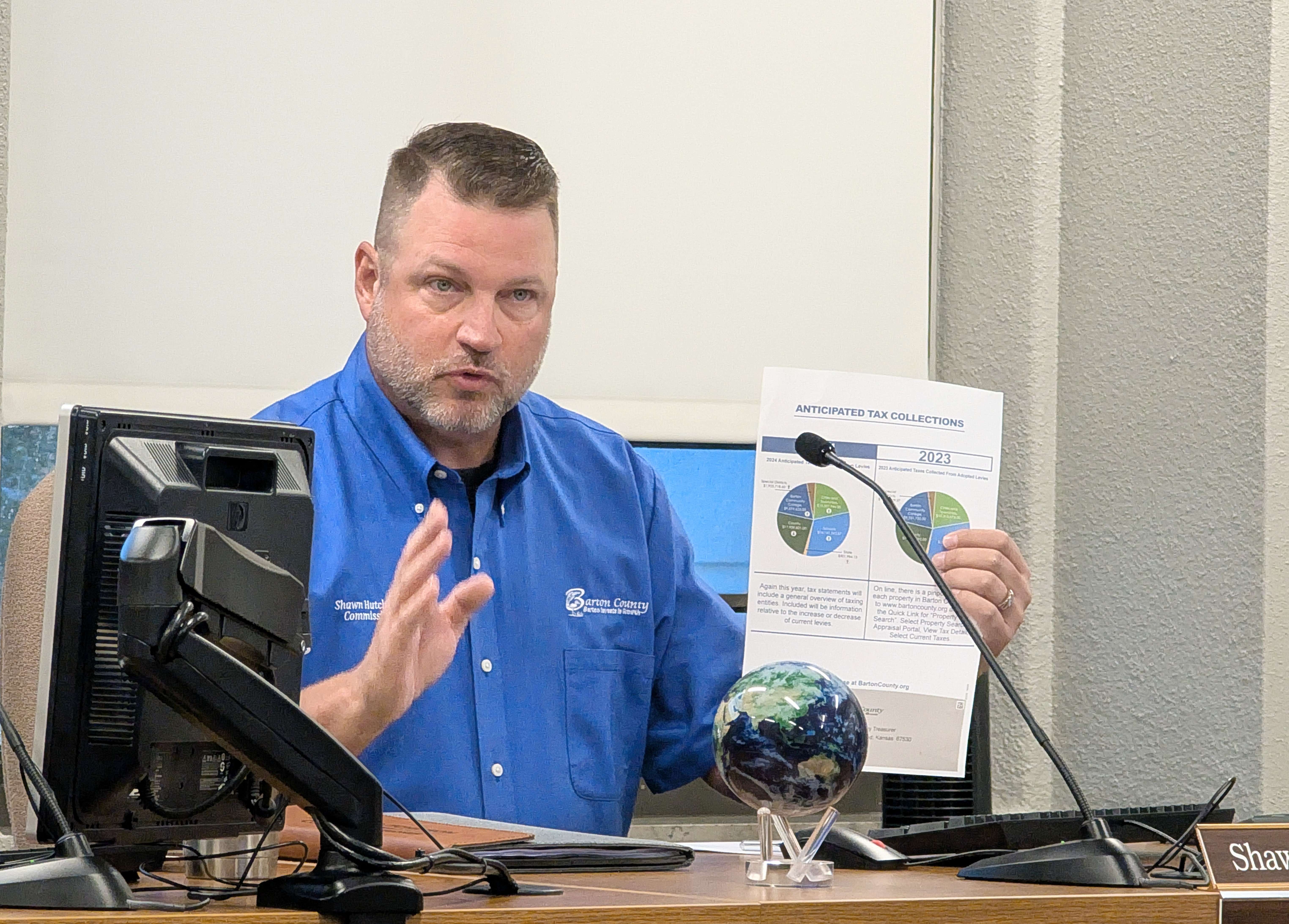
"While we're here, let's just remind everyone that the county collects all the property taxes, but then redistributes them back out to the other taxing entities," Commissioner Shawn Hutchinson said, referring to a pie chart breaking down where the tax dollars go. "But the county represents only about 20% of your tax bill, that's it. But we get blamed for the whole thing, because we send the bill out and collect money. So if we're not going up but everyone else goes up, then your tax bill is going to be higher, but we're not the one raising your taxes."
"If you look and see the entities that are holding a hearing are the ones that you're proposing to increase your taxes," Schlessiger said. "You notice the county is not one of those, so you should be zeroing in on those entities to see what they're proposing and what their proposed increase would do."