


By DALE HOGG
Barton County Media Consultant
As a necessary step for the 20th Judicial District Juvenile Services to maintain its grant funding from the Kansas Department of Corrections, the Barton County Commission Tuesday morning approved the agency’s Fiscal Year 2025 Year-End Outcomes Report.
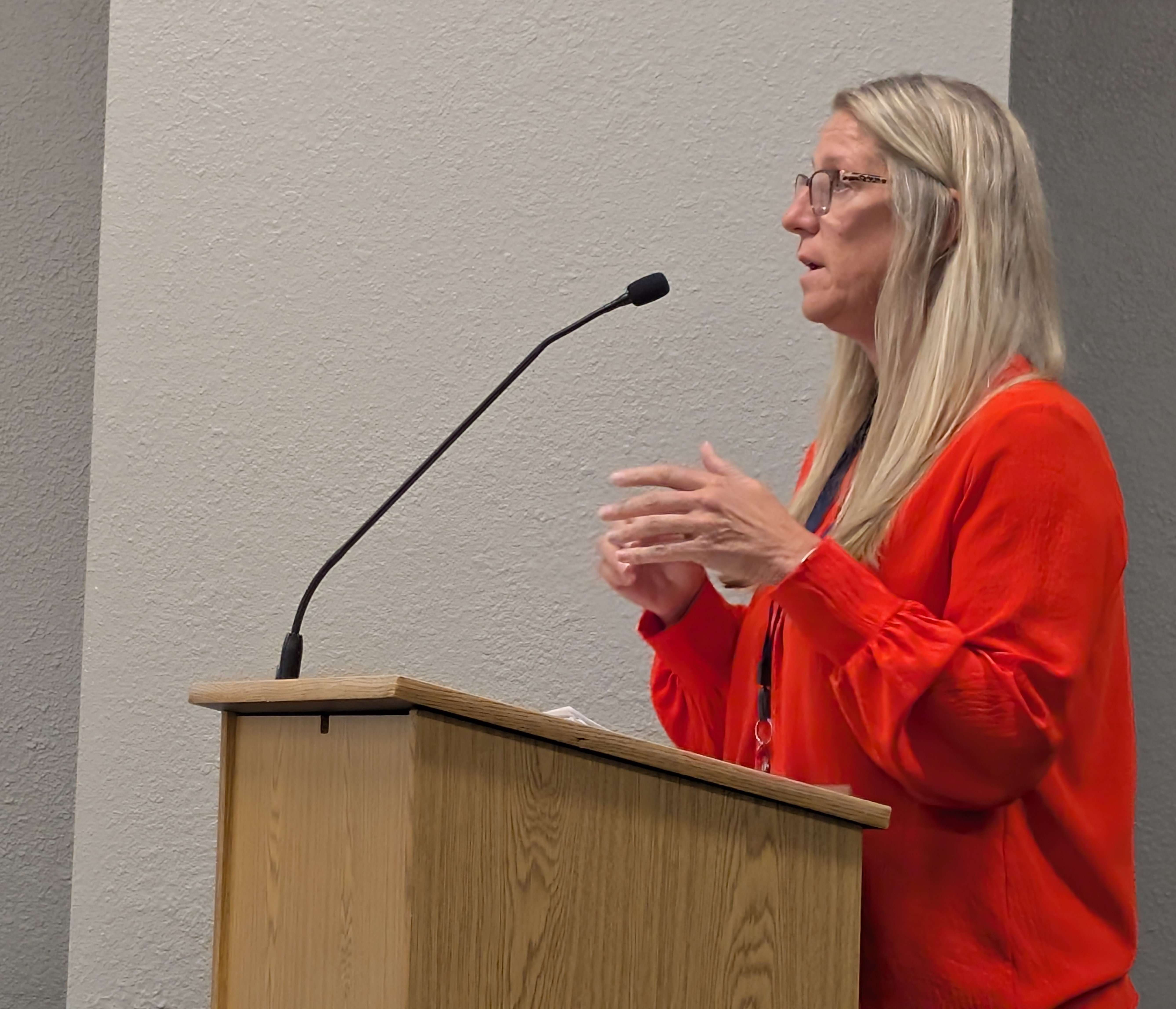
Juvenile Services Director Marissa Woodmansee presented the report, which details the department's performance in meeting goals set by the state. The funding from the Department of Corrections supports a variety of programs for juvenile offenders, she said.
The year-end summary showed the department's focus on staff adherence to policy and making appropriate referrals for youth and their families. The document outlined several key goals for the year, including:
- Ninety percent of staff were to complete the required training.
- Seventy-five percent of all active youth were to complete referrals.
- Seventy-five percent of all active youth were to achieve their program hours.
- Seventy percent of eligible youth were to have follow-up services.
- Seventy-five percent of all assessments were to be completed within the established standards.
Juvenile Service’s funding comes from two main sources: a state block grant and evidence-based programs.The state block grant covers several key services:
- Intake and Assessment: This program includes 24/7 services and initial assessments, with a focus on who is detained and why. Woodmansee reported that in Barton County, eight youths were detained for probation violations and 14 for serious crimes like burglary, criminal threat, and felony drug possession. The goal is to be a good steward of resources, as detaining juveniles is costly for both the Juvenile Services and their law enforcement partners.
- Immediate Intervention: This program includes diversion, intensive supervised probation, and case management. Last year, 161 youths participated in the diversion program. Of these, 125 were successful, 21 were unsuccessful, and 15 declined. Those who decline or are unsuccessful may face prosecution, but it doesn't automatically lead to detention.
- Intensive Supervised Probation: Last year, 22 youths were placed on intensive supervised probation. Of these, 16 were successful and six were unsuccessful, a 72% success rate. Juvenile Services aims to meet the Kansas Department of Corrections (KDOC) standard of 75% or higher. Woodmansee noted that the unsuccessful cases are a focus for improvement.
The evidence-based programs fund enhanced services made possible by the 2016 juvenile reform. These programs are designed to fit the specific needs of the district and address the barriers for those seeking service, and include:
- Reinvestment Funds: These funds support the Parent Project, a 10-week program facilitated by Family Engagement Advocate Casey Rowland. This program aims to prevent youth from escalating through the justice system. Over a two-year period, the program worked with 221 families and had a success rate of 88% (195 families did not progress further into the system).
- Juvenile Corrections Advisory Board Funds: These funds, which are tied to a required annual report to legislators, support programs like the cognitive-based programs, day school, and supervised community service. These programs served 237 youths last year, with an 83% success rate in preventing them from advancing in the justice system.
Woodmansee concluded by expressing pride in the team's work, stating that the outcomes show the programs are effective and the funds are being used as intended.
The commission's motion to approve the report also authorized the commission chairman to sign any necessary grant forms to finalize the process.