


EDITOR’S NOTE This is the second of two stories about a new juvenile-justice law with further comments from the Kansas Appleseed Law and Justice Center. The first story shared comments from the local Juvenile Services office.
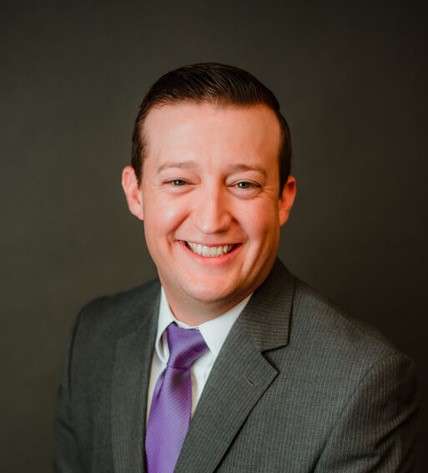
When Kansas lawmakers enacted a new juvenile-justice law during this year’s legislative session, a majority of them didn’t understand the full ramifications of what they were doing, said Mike Fonkert, deputy director of the Kansas Appleseed Center for Law and Justice in Lawrence.
The law, which went into effect July 1, calls for stiffer penalties and expands time in detention. It makes no distinction between misdemeanors and felonies.
“If legislators understood the consequences, they would have amended the bill to correct this insane non-distinction,” Fonkert said. “The Kansas Legislature has almost no one who brings significant institutional knowledge about the juvenile-justice system to the table.”
House Bill 2329 was opposed by the Kansas Department of Corrections, as well as the Kansas Juvenile Justice Oversight Committee, which the state created to monitor and recommend improvements to the system.
“Legislators thought they knew better than these entities, despite the fact they are filled with youth-justice experts,” Fonkert commented.
He also noted that lawmakers didn’t fully understand the increased financial costs to taxpayers.
“Again, they would have modified the bill to account for this reality. It seems their rationale was ‘we need to do something.’ Unfortunately, that something will have far-reaching repercussions for children, families and local jurisdictions across the state.”
Consequences
Research consistently shows that longer periods of detention do not reduce recidivism, Fonkert pointed out in his testimony to the Kansas Legislature in January.
“In fact,” he said, “incarceration beyond short periods increases the likelihood that a young person will re-offend. This is why the revised youth-justice code intentionally sets limits on case length, probation length and detention time – to prevent children from languishing in facilities while their cases unfold and to ensure the system acts swiftly and appropriately.
“Any policy that expands the use of residential placement without clear safeguards risks re-creating the very harms those limits were designed to prevent.”
House Bill 2329 also undermines the fiscal sustainability of the youth-justice system, Fonkert said. Secure placements cost about $134,000 per year per youth compared to a fraction of that for probation and evidence-based community programs.
“The 2016 reforms intentionally re-invested savings from reduced incarceration into prevention, treatment and diversion,” Fonkert commented. “Drawing from those funds to pay for expanded residential placements threatens the long-term viability of programs that are demonstrably more effective.”
It is also critical to remember the teenagers these policies affect, he emphasized. The majority of youth involved in the justice system are charged with misdemeanors - not serious or violent offenses. They are typically 14-17 years old.
“They are still growing, learning and changing,” Fonkert noted. “Extended or unnecessary placement in secure facilities deprives them of critical developmental experiences and increases the likelihood that involvement in the system becomes a permanent feature of their lives.”
Fonkert plans to speak to the Legislature during the 2027 session to elaborate on his earlier testimony. “The research is pretty clear. We just need to be brave enough to follow it, and invest in our kids and the systems that impact them. If we do that, we will reap the rewards for generations to come.”