


By MIKE COURSON
Great Bend Post
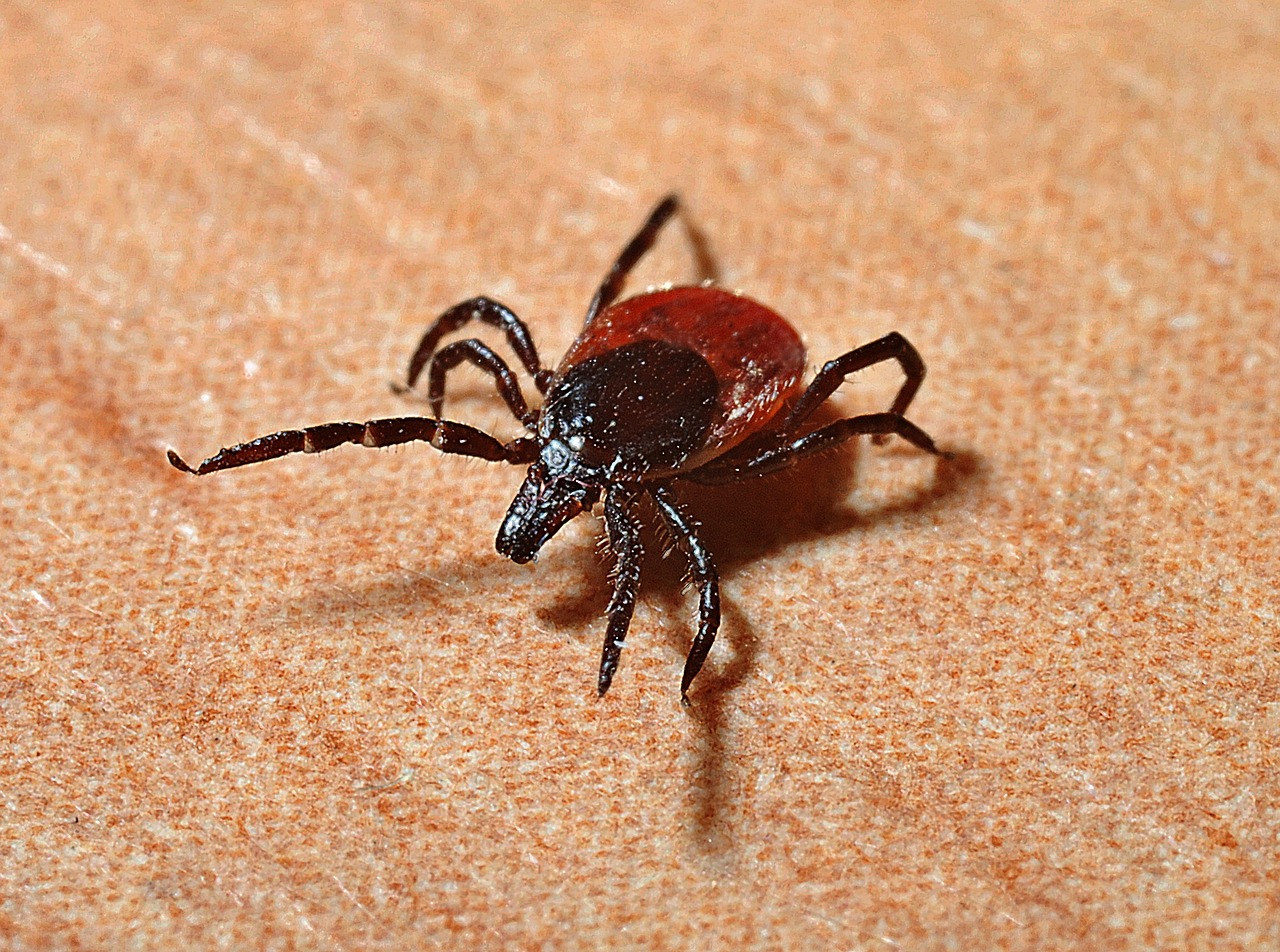
"I’d like to check you for ticks" was a line from a popular Brad Paisley song in 2007. Now, it just seems like a good suggestion. In April, the Kansas Department of Health and Environment warned of an increase in the number of ticks due to warmer-than-average weather. Lindsey Ensley, interim public health director at the Barton County Health Department, and interim public health officer for Barton County, said the best defense against ticks is to keep them off.
“Prevention is key, so if you can prevent a tick bite, you can prevent disease,” she said. “Wearing light-colored clothing, long sleeves, long pants tucked into boots or socks, especially if you’re going to be out in the wooded areas where you’re more at risk.”
Ways to prevent tick bites include applying insect repellent with at least 20 percent DEET, treating clothing with 0.5 percent permethrin, avoiding bushy areas, and staying in the middle of trails when out in the field. Showering immediately after getting home is key, as is checking yourself and your pets when you get home.
“The longer a tick is present on the body, the more risk you have,” Ensley said. “That’s why they say remove them as soon as you can. Of course, site reaction, swelling, redness, and issues with infection at the site of the bite is a problem.”
Other illnesses caused by ticks include Lyme disease, which may begin with a bullseye rash around the site of the tick bite or no rash at all. If left untreated, Lyme can result in more serious complications affecting the joints, heart, and nervous system. Rocky Mountain Spotted Fever symptoms typically develop 3-12 days after a bite and may include high fever, severe headache, and a rash.
Furry friends may indicate a tick bite by scratching that area. Experts also recommend checking the eyelids, ears, underneath the collar, and between the legs and around the tail. Checking the paws, especially between the toes, is another important place to search.