



As influenza activity increases, health care providers are encouraging residents to recognize symptoms, understand treatment options and take precautions to reduce the spread of illness.
Shelbi Frees, an APRN at Ellinwood Hospital & Clinic, said influenza A activity is increasing, while strep throat and other respiratory viruses continue to circulate.
“We’re seeing the illnesses we typically expect this time of year, but that doesn’t mean families shouldn’t take them seriously,” Frees said. “Knowing what symptoms to watch for and when to seek care can make a big difference, especially for those at higher risk of complications.”
Although seasonal illnesses often share symptoms, influenza typically begins suddenly with fever, body aches and exhaustion. Strep throat often causes a sore throat, painful swallowing and fever, but Frees noted that children may also experience headaches, stomach pain or a fine, sandpaper-like rash. Common colds generally cause congestion, sneezing and coughing.
Frees said monitoring the progression of an illness can be just as important as recognizing its initial symptoms.
A cough following a common cold can last two to three weeks, even as other symptoms improve. However, coughing fits, vomiting after coughing or a returning fever may warrant further evaluation.
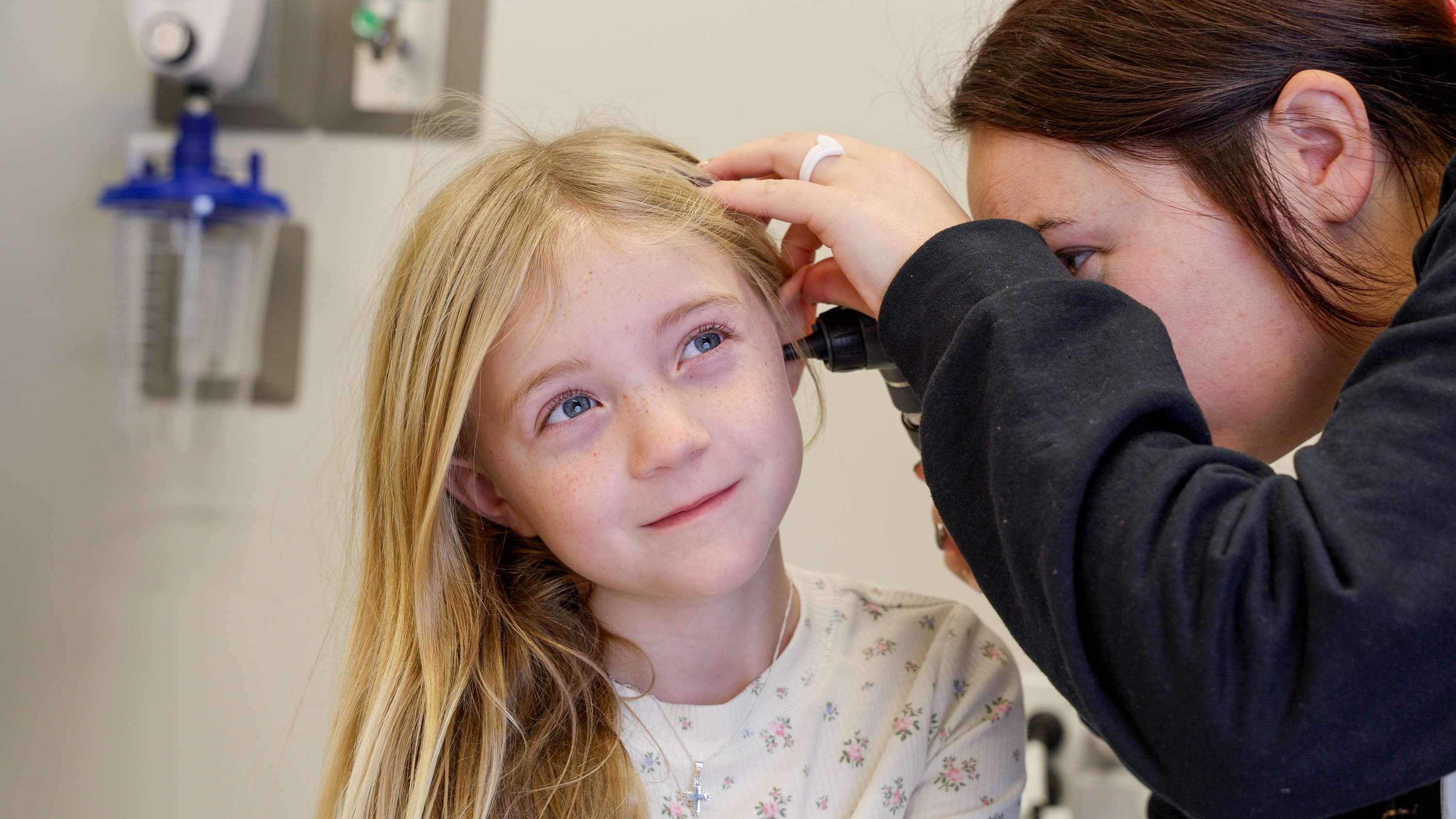
Frees recommends contacting a health care provider if a fever lasts more than three days, symptoms persist beyond 10 days or an illness worsens after initially improving. Difficulty breathing, chest pain, confusion or signs of severe dehydration require immediate medical attention.
Determining the cause of an illness is also important when considering treatment options.
“I understand the desire to come in, get an antibiotic and get back to feeling better,” Frees said. “When you’re sick, you want relief, and we want that for you, too. But antibiotics aren’t effective against viruses like the flu or the common cold. Our goal is to identify what’s causing your illness and recommend the treatment that will actually help you recover.”
Antiviral medications can help treat influenza and are particularly important for patients at higher risk of complications. Frees recommends those patients contact their health care provider promptly, as antiviral treatment is most effective when started within 48 hours of the onset of symptoms.
Children younger than 5, adults 65 and older, pregnant women and people with certain chronic health conditions or weakened immune systems are among those at greater risk of complications.
Protecting vulnerable individuals is particularly important during the winter months, when holiday celebrations, school activities and other indoor gatherings bring people together.
“What might be a few miserable days for an otherwise healthy person could become something much more serious for a grandparent, a newborn or someone with a weakened immune system,” Frees said. “Sometimes the best way to show you care is to stay home.”
Frequent handwashing, covering coughs, avoiding shared drinks and utensils, and staying home when sick can help reduce the spread of illness.
Frees also encourages residents to stay current on recommended vaccinations. The annual influenza vaccine is recommended for people 6 months and older. Influenza typically continues circulating into the spring, so it’s not too late to get vaccinated.
“Taking care of your health starts with paying attention to your body and knowing when to ask for help,” Frees said. “You don’t have to wait until you’re really sick to reach out to your health care provider. We’re here to answer questions, address concerns and help you make informed decisions about your health.”
For more information about symptoms, testing, treatment or vaccinations, contact Ellinwood Hospital & Clinic at 620-564-2548.