


By MIKE COURSON
Great Bend Post
The food is there but the housing is lacking. With mostly dry conditions persisting at Cheyenne Bottoms, that's how Kansas Wetlands Education Center Director Curtis Wolf describes the fall migration. Less-than-ideal conditions for the birds are impacting this year's migration, but some birds are still making the annual journey through the Bottoms.
"Even though we don't have near the number of birds or the diversity we would normally see," Wolf said, "we're still seeing changes almost daily with what's there and what isn't there."
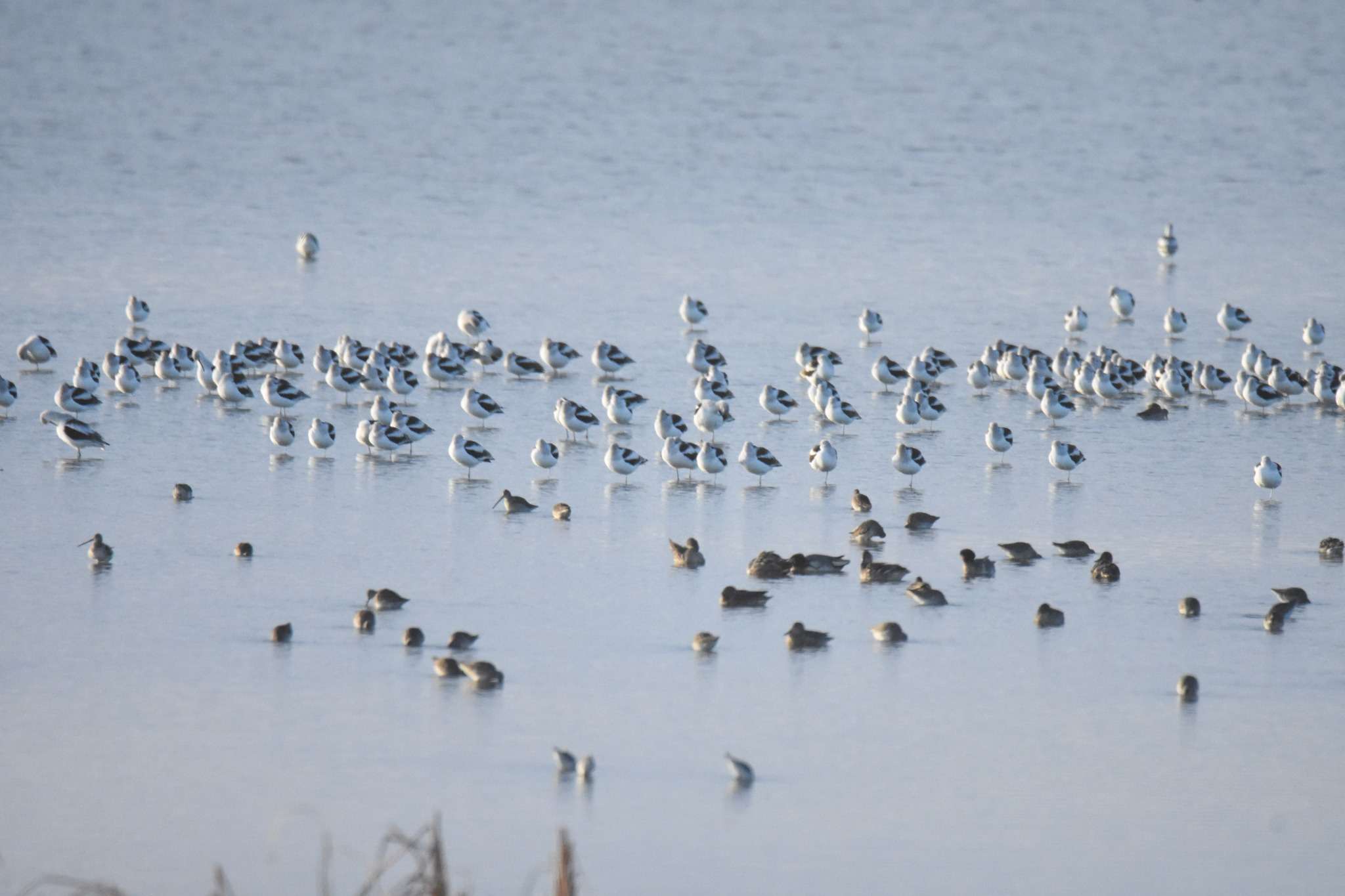
Several of the summer residents, including egrets, great blue herons, and cormorants are still visible around the Bottoms. One thing missing this fall is shorebirds.
"We just don't have the habitat they're looking for," Wolf said. "Even the limited water we have is just not what they're looking for at all. These little guys, they only stand maybe 4-5 inches tall. They really like open areas. They want to be able to see predators and that sort of thing. If there's tall vegetation, they're not going to use the area. If the water is too deep, their legs aren't long enough and they're not going to use those deeper areas."
A good number of pelicans, which are best viewed in the morning, have been spotted at the Bottoms this fall. Large populations of Franklin's gulls have been spotted at the Bottoms and other reservoirs in Kansas. Sandhill cranes are expected to begin passing through at any time, peaking near the end of October. Whooping cranes are most likely to be seen in early November.