


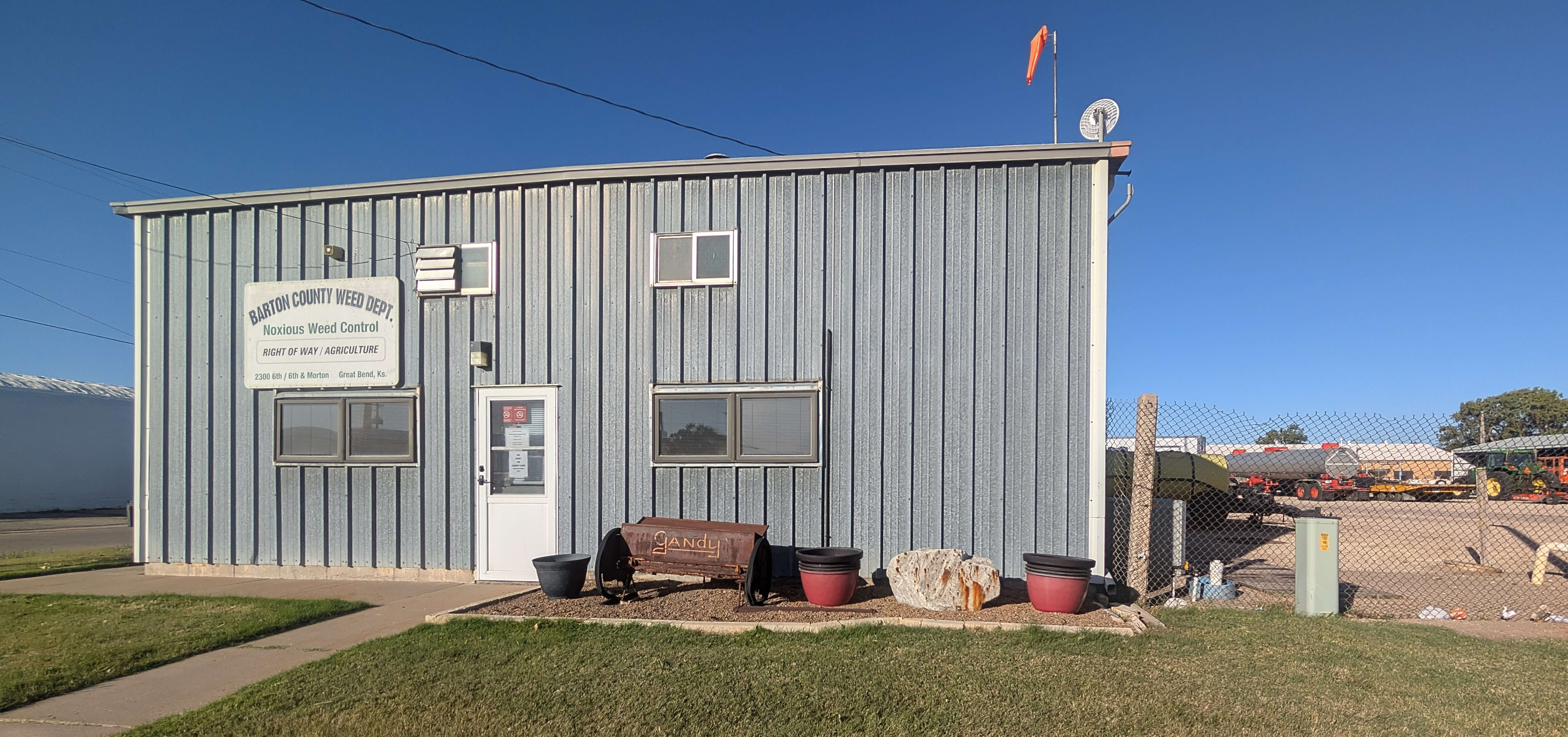
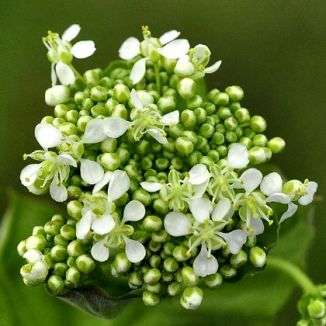
Field bindweed, musk thistle, bur ragweed, Johnson grass, serisea lespedeza, Russian knapweed, quack grass, leafy spurge, hoary cress, kudzu, multiflora rose, pignut and Canada thistle. These are some of the noxious weeds in Kansas where control is mandated by the state of Kansas, yet the critical efforts of the Barton County Noxious Weed Department often go unnoticed.
"We’re kind of the unknown department," said Weed Supervisor Marty Michaelis. The Noxious Weed Department is charged with battling an array of crop-choking, water-stealing, and quickly spreading invasive weeds.
"It’s a department that can’t go away," he said, noting it has been around for decades. They keep the unwanted plants in check, enforcing stringent state requirements administered by the Kansas Department of Agriculture (KDA).
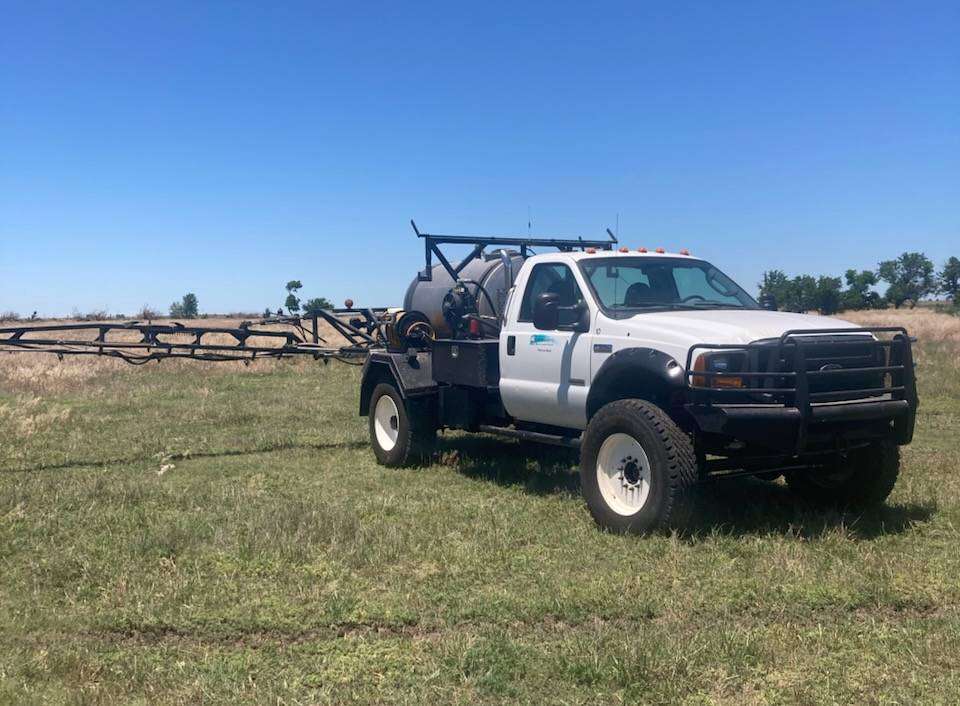
Utilizing a fleet that includes two boom spray units, three trucks, a side-by-side sport utility vehicle, and an all-terrain vehicle, they apply a variety of herbicides along all state, county, and township roadways. In addition, they spray county lots, sandpits, parking places, county-owned cemeteries, and other locations. They also spray pastures, Conservation Reserve Program land, and cropland for farmers at a cost-share rate.
Most of the chemicals they use are for sale to landowners at a discounted rate. "That is an incentive to get people to go out and spray their noxious weeds," Michaelis said.
But they do not handle residential lawns or city properties. And, Michaelis said, they are not intended to be a competitor with co-ops, lawn care companies, or retail stores.
A long legacy
The history of noxious weeds in Kansas began with the passage of the Noxious Weed Law in 1937, aimed at protecting landowners from invasive plants spreading from neighboring lands. All noxious weeds in Kansas are nonnative and were brought in from other countries.
"Noxious weeds are recognized as a significant threat to public welfare due to their ability to spread and outcompete native vegetation," he said. "If you don’t keep them at bay, they will take over. This requires ongoing efforts for control and eradication where possible."
“This is serious business,” Michaelis said, noting a KDA inspector visits every two years.
Furthermore, each of the County’s three chemical handlers must be state-certified, a rigorous three-test process. They also have to earn continuing education hours and recertify biannually.
Not always easy
Kansas weather certainly affects the department. Rain can delay chemical applications, and if the wind is blowing more than 15 mph, spraying must cease.
"This has been a challenging year," he said. With all the moisture, weed growth is rampant.
“People express concerns about the weeds,” he said. They do their best, but applying the chemicals only provides a temporary solution. They must remain vigilant and stay up to date on application efforts.
They are spraying now. During the winter, weather permitting, they continue treatments where possible.
But it is about more than weeds.
"We try to help elsewhere when we can," Michaelis said. During elections, they assist the County Clerk’s Office by helping haul, set up, and take down the voting equipment. During the winter, they apply salt and plow the snow around the Courthouse and other county office locations.
Under the direction of Chris Schartz, County Works Director, Michaelis works with applicators Brad Halseth and Alan Stoecklein, and bookkeeper John Hamby.
Anyone interested in the services offered by the department may call 620-793-1936. Their office is located at 2300 Sixth St. in Great Bend.