


By ELLE HUTCHINSON
Barton County Media Consultant
During this week’s meeting, the Barton County Commission received an update on Fiscal Year 2027 funding for Central Kansas Community Corrections (CKCC), an essential public safety program serving the entire 20th Judicial District.
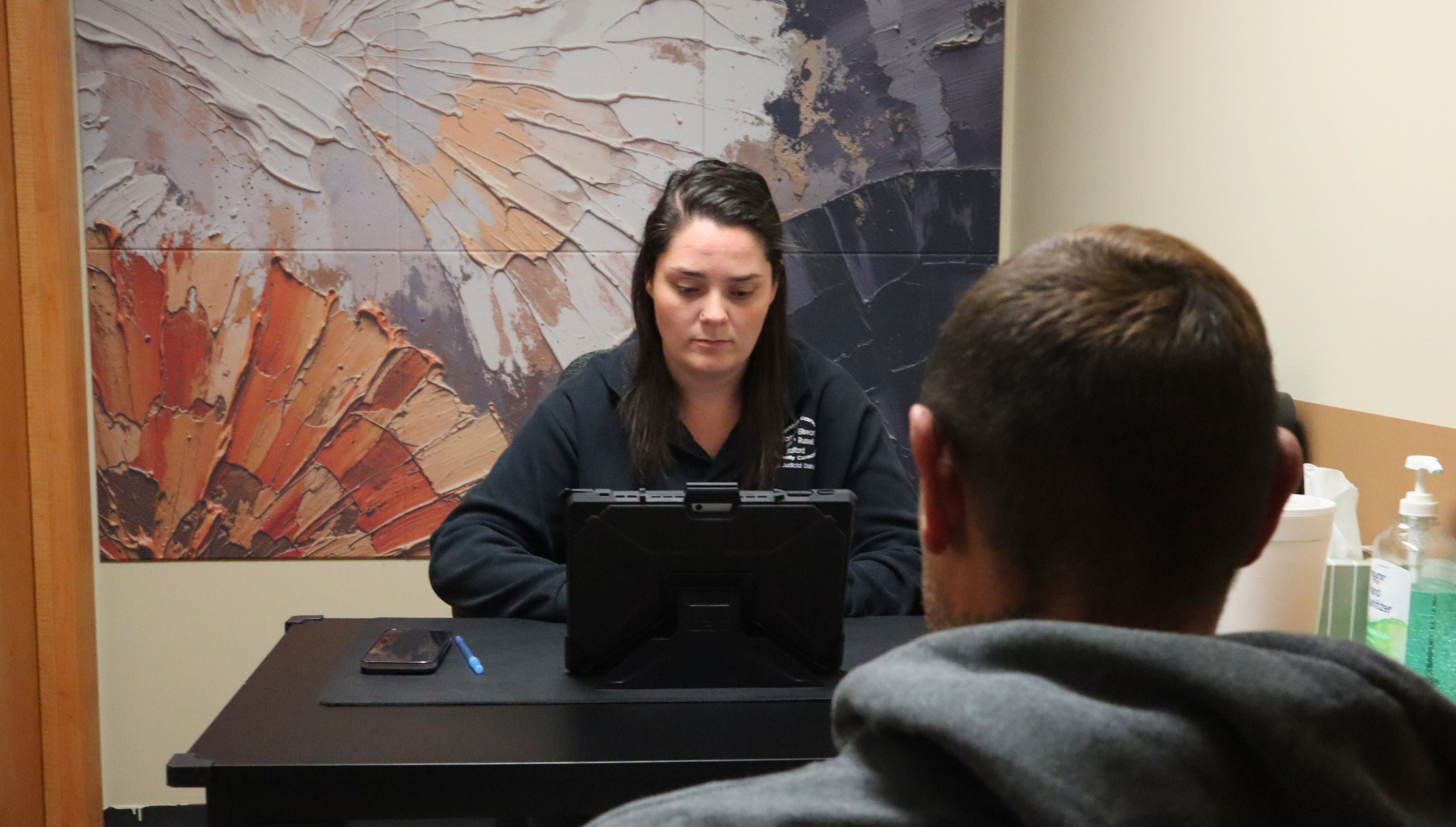
Brooke Haulmark, director of CKCC, explained that the program supervises adult felony offenders across five counties, working as an alternative to incarceration for many individuals. Through intensive supervision, behavioral programming, treatment coordination, and regular field visits, officers help reduce recidivism while maintaining accountability and public safety.
For Fiscal Year 2027, CKCC has been allocated $808,438.94 through the Kansas Department of Corrections. That funding supports seven staff positions as well as operational and programming needs, including drug testing, travel across the five-county district, and behavioral health services such as mental health and substance abuse evaluations, treatment, housing, and transportation.
However, discussion during the meeting highlighted a broader concern shared across the district and the state—longstanding disparities in community corrections funding. Despite supervising a significant caseload across a large geographic area, the 20th Judicial District receives one of the lowest per-client funding levels in Kansas. At the same time, expectations for supervision, documentation, programming, and reporting continue to increase.
Haulmark noted that officers manage demanding caseloads and extensive travel responsibilities each month, often balancing field work with detailed reporting requirements that can consume significant time. Even with these challenges, the team continues to provide consistent supervision and programming aimed at helping individuals succeed on probation and avoid incarceration.
Commissioners acknowledged the importance of the program and the value it brings to communities across Barton County and the surrounding district. By keeping appropriate individuals on probation rather than in prison, CKCC plays a key role in reducing costs to taxpayers while supporting rehabilitation and long-term community safety.
State officials are currently studying funding disparities across Kansas community corrections districts, though a final resolution may take time. In the meantime, CKCC staff continue to carry out their work with professionalism and dedication, ensuring that supervision, accountability, and treatment services remain available to those who need them most.
The update served as a reminder of the essential role community corrections plays in the justice system—and the ongoing need for fair, sustainable funding to support that mission across all Kansas communities.