


By DALE HOGG
Barton County Media Consultant
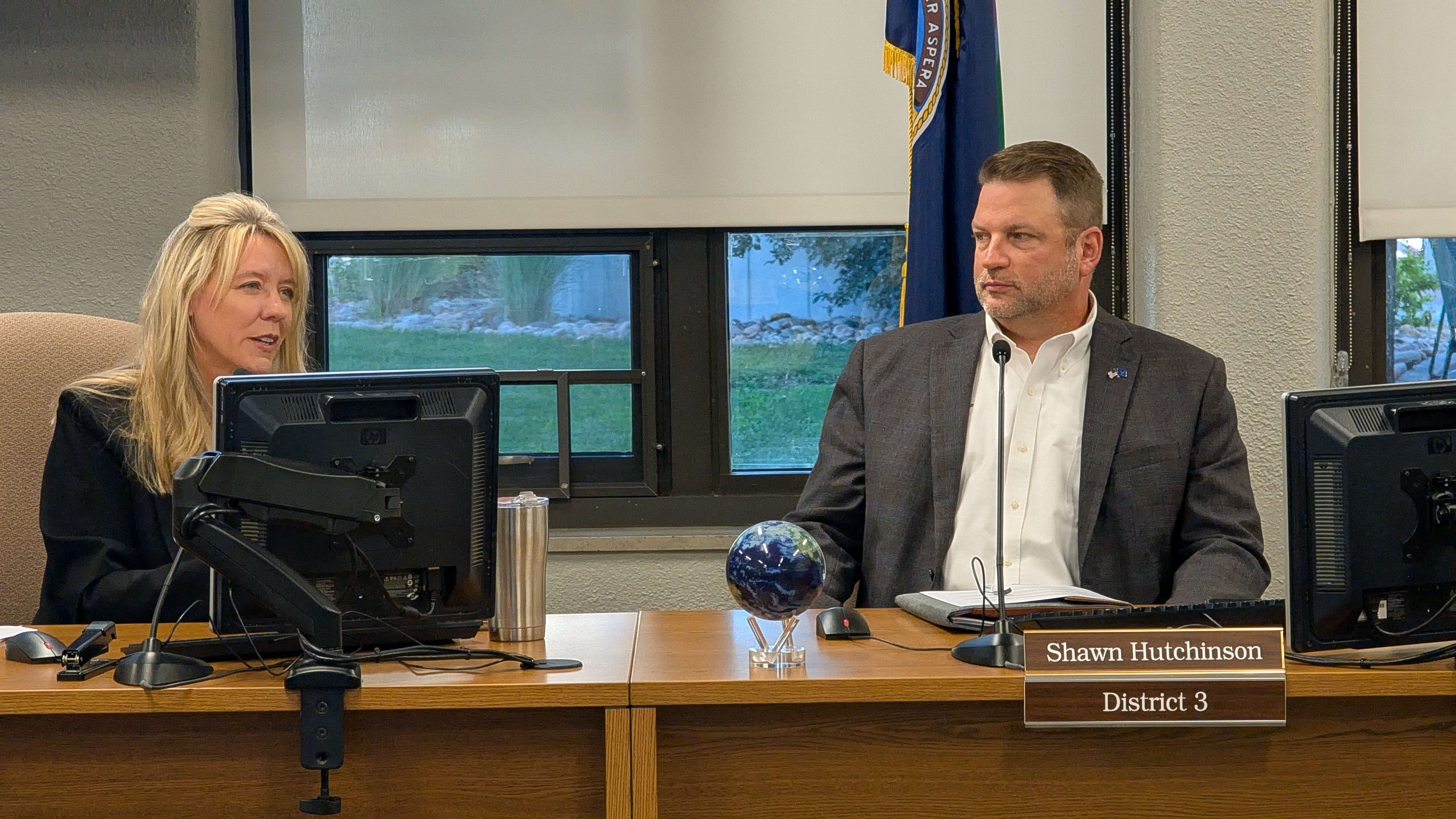
The Barton County Commission Tuesday spent the day going into and out of executive sessions as they interviewed three candidates for the county’s open compliance/human resources officer position, as well as going into closed sessions to discuss the interviews. By the end of the day, a decision had not been reached.
Why the closed-door session?
The purpose of the Kansas Open Meetings Act is to ensure that government proceedings and decisions are transparent and accessible to the public. But there are exceptions.
Under KOMA, public bodies like the commission can recess into executive sessions to discuss only certain matters, including personnel matters of non-elected personnel. This exception allows for the discussion of individual employee issues, such as performance reviews or salary, in a closed setting to protect their privacy. However, according to KOMA, no binding action can be taken during an executive session. The commissioners can reach a consensus, but any formal action must be taken during the subsequent open session.
Other Specific exceptions under KOMA include:
- Consultation with an attorney: When legal advice is needed and the discussions are privileged in the attorney-client relationship.
- · Employer-employee negotiations: Specifically for formal negotiations, not general discussions.
- · Confidential financial or trade secret information: For corporations, partnerships, trusts and individual proprietorships.
- · Matters affecting students, patients, or residents of public institutions: With the right to a public hearing if requested.
- · Preliminary discussions about acquiring real property: Only for acquisition, not sale.
- · Matters related to parimutual racing: As outlined in specific statutes.
- · Matters related to the care of children: As defined by relevant statutes.
- · Security of a public body or agency: If open discussion would jeopardize security.
- · Matters relating to information acquired and records of the Child Death Review Board:
Additional situations not subject to KOMA:
- Staff meetings: Meetings solely among staff members are generally not subject to KOMA.
- · Judicial agencies and bodies: Courts and related bodies are typically excluded.
- · Bodies exercising quasi-judicial functions: As defined by statute.
- · Certain state bodies when performing exempt functions: Examples include specific committee discussions related to STAR bonds.
Aside from the routine approval of appropriations, an accounting of the accounts payable register, the interviews were the only other item on the agenda.