


By COLE REIF
Great Bend Post
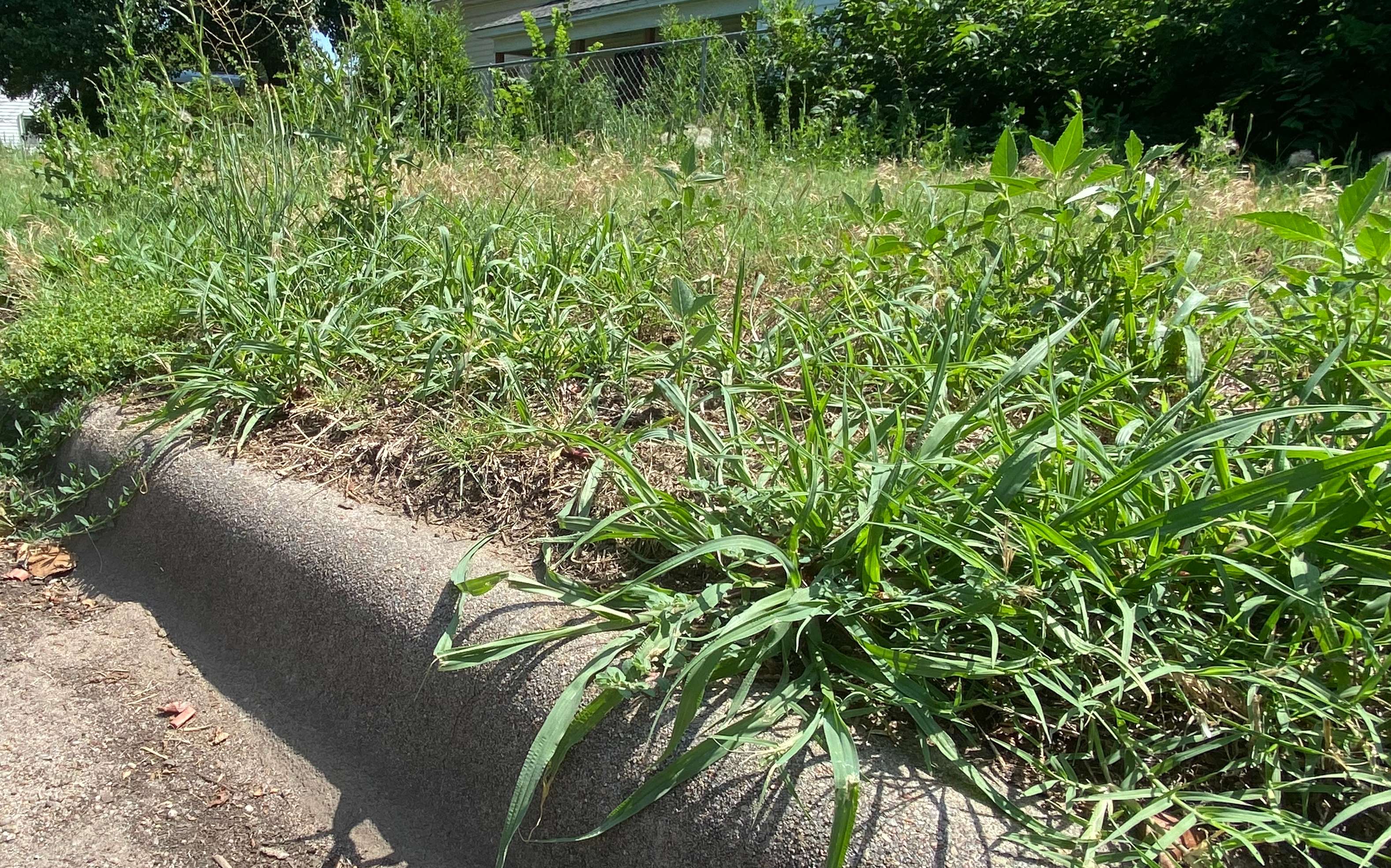
As Great Bend Code Enforcement Supervisor Art Keffer evaluates if overgrown vegetation violations are decreasing, he notes there will always be the same chronic violators. Many of the issues come from abandoned properties, owners that live out of town, elderly owners or those that cannot afford the lawn maintenance.
Keffer said his department attempts to work with property owners
prior to taking the abatement route.
"If we come by your property and it looks like you're making an effort, we going to contact you," said Keffer. "We try to make contact with people. I make sure my guys go up on the porch with a card and knock on the door. Whether we make contact or not, we'll send out a letter."
Tall grass or other vegetation has a blighting influence on a neighborhood and
can harbor creatures which causes a public safety issue. Because of this, any
grass or weeds taller than nine inches is in violation. Keffer reminds
residents, this applies to your alley or easement too.
"Some property owners that we come in contact with are unaware that anything outside their fence is their responsibility," said Keffer. "It is. Halfway out into that alley is your property to take care of, even though the city has use of it."
If the code enforcement department sees a violation, the property owner will
receive a letter in the mail. From receipt of that letter, the owner has 10
days to mow the grass. If not remedied, city staff or contractors will abate
the property for a fee.
On overgrown vegetation, owners get one notification of a violation per year. The city has the right to abate the property multiple times throughout the year without sending another notice.