


Preliminary data released last September at the National Safety Council (NSC) Safety Conference and Expo in Orlando, Fla., revealed the lineup of the usual suspects in workplace safety violations, as ranked by the Occupational Safety and Health Administration.
“These come as no surprise,” said Bree Husted, Fuller Industries Inc.’s environmental, health and safety assistant. “These show up on the list every year and that is why we drill on safety regularly.”
Fall protection remained the most frequently cited standard by the OSHA for the 14th consecutive year. The annual list of top 10 violations shows little change from previous years, signaling ongoing opportunities for workplace safety improvements.
The consistent nature of the top 10 list underscores the importance of addressing all fundamental safety hazards at the longtime Great Bend, Kan.-based commercial cleaning maker, Husted said. “We continue to implement the necessary efforts to reduce these common violations to prevent fines for sure, but more importantly to protect our employees and keep them out of harm’s way.”
The preliminary OSHA top 10 most frequently cited standards for fiscal year 2024 are:
1. Fall protection – general requirements (6,307 violations) Precautions against falls are critical, even at heights as low as four feet, she said. Fuller selects proper fall protection for each employee and regularly inspects all equipment. Guardrail systems, safety net systems, and personal fall arrest systems offer vital protection.
2. Hazard communication (2,888 violations) Workplaces must warn all personnel, including employees, contractors, temporary staff, and visitors, about hazardous chemicals, Husted said. Fuller continues to update and implement and maintain written hazard communication programs detailing how they manage warning labels, safety data sheets (SDSs), employee training, and other OSHA requirements.
3. Ladders (2,573 violations): Safe ladder use is paramount, she said. A frequently violated OSHA requirement mandates that ladders not extending at least three feet above an upper landing surface must be secured to a rigid support and equipped with a grab rail or other grasping device.
4. Respiratory protection (2,470 violations): Respiratory protection programs serve as a crucial defense against hazardous airborne contaminants. Fuller provides medical evaluations to determine employees' ability to use respirators and ensure fit-testing before initial use, when switching brands or models, and at least annually thereafter.
5. Lockout/tagout (2,443 violations): Husted said employees servicing or maintaining machinery face serious harm if hazardous energy is not properly controlled. Documented procedures to shut down, isolate, block, and secure machines, along with specific steps for placing, removing, and transferring lockout/tagout devices, are essential.
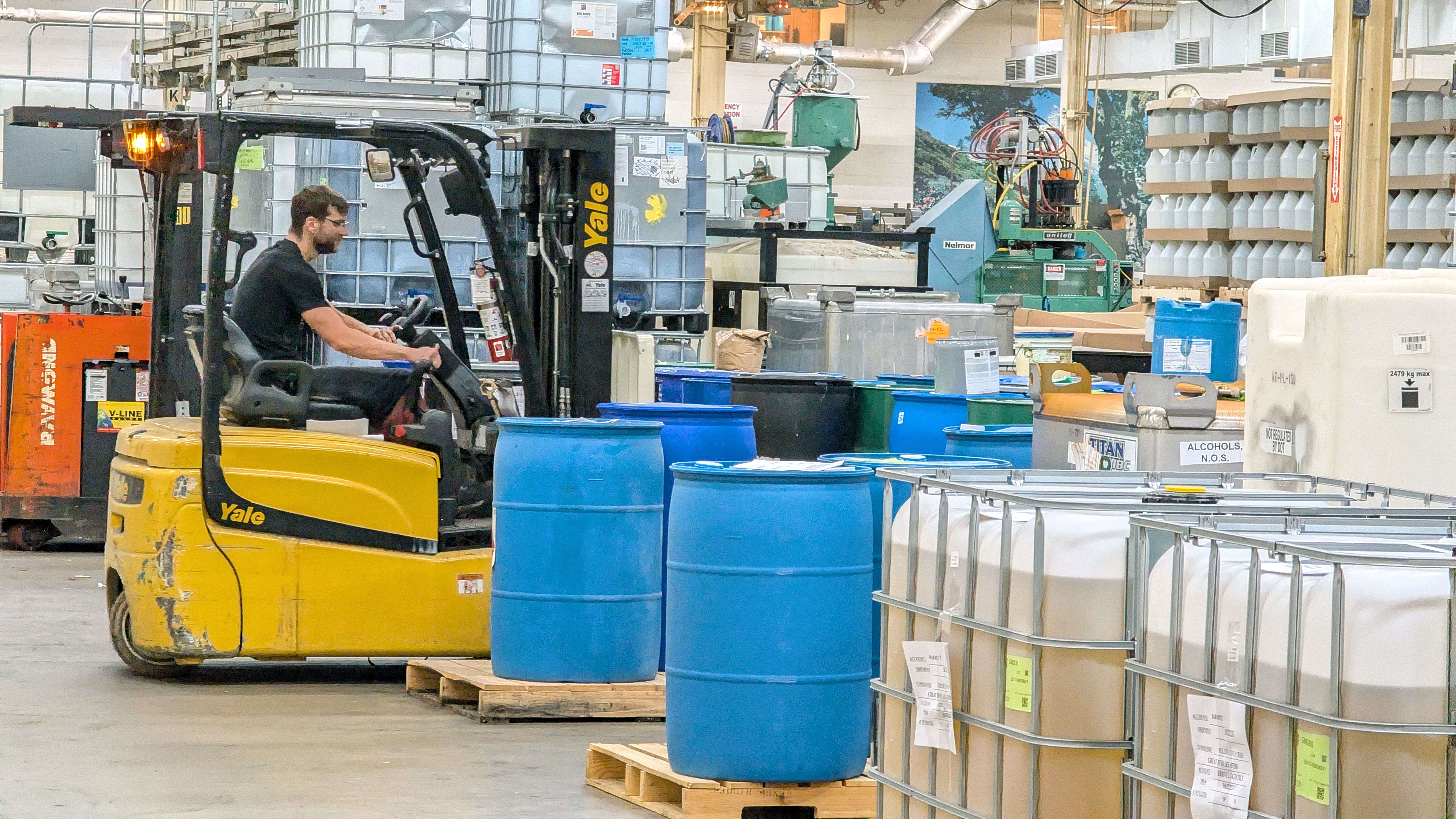
6. Powered industrial trucks (2,248 violations): Workers operating or near forklifts and other industrial vehicles are exposed to significant hazards. Safe operation is critical, so Fuller continually certifies operators and makes sure they have the needed training and are evaluated per OSHA requirements. Certified operators need refresher training and evaluation at least once a year.
7. Fall protection – training requirements (2,050 violations): “When employees may be exposed to fall hazards, it is vital to train them to recognize these hazards and follow procedures to minimize them,” Husted said. Fuller maintains written certification records including employee names, training dates, and signatures of trainers or employers.
8. Scaffolding (1,873 violations): Scaffolding must be designed, constructed, maintained, inspected, and used in compliance with OSHA regulations. Workers on scaffolding must be protected from falling to lower levels, often requiring guardrail systems and, for some types, personal fall arrest systems.
9. Personal protective and lifesaving equipment – eye and face protection (1,814 violations): “Anyone on Fuller’s production floor, whether or not they are operating machinery, must wear safety glasses,” Husted said, noting the importance the company places on this. OSHA mandates eye and face protection when employees are exposed to hazards such as flying particles, molten metal, liquid chemicals, acids or caustic liquids, chemical gases or vapors, and light radiation.
10. Machine guarding (1,541 violations): Employees operating or working near certain machinery require protection from associated hazards, she said. So, close attention is paid to machines with rotating or reciprocating motions, pinch or shear points, and those that generate chips, debris, splashes, sparks, or sprays.
About Fuller Industries Inc.
Based in Great Bend, Kan., with a rich heritage dating back over a century to the Fuller Brush Man, Fuller Industries is a leading American manufacturer of industrial products, including cleaning chemicals and supplies, as well as brooms, mops, brushes and more. Fuller serves manufacturing, commercial, institutional and agricultural clients across the Western Hemisphere. Call 620-792-1711 or visit Fullerindustriesinc.com.