


By DALE HOGG
Barton County Media Consultant
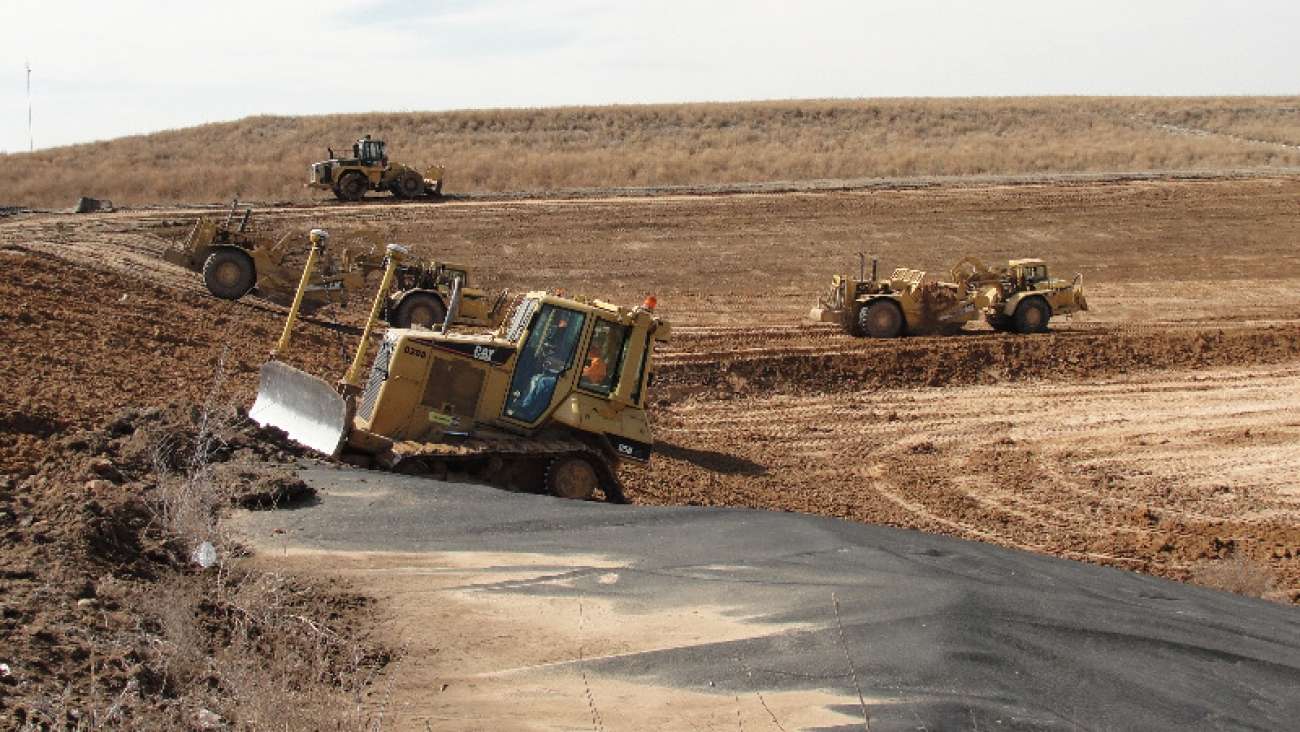
The Barton County Landfill is encouraging residents to use its household hazardous waste (HHW) and recycling programs to extend the landfill's life, protect the environment, and ensure public safety. Solid Waste Director Jennifer Hamby detailed initiatives to divert hazardous and recyclable materials when she addressed the County Commission Tuesday morning.
“Recycling is crucial for our community and our landfill,” Hamby said. “It’s important for us to work together to recycle as much as possible.”
The landfill diverts waste and other items from the disposal stream, she said. “In addition to extending the life of the landfill, some recycled items can be reused by the public and the environment is better protected through this simple act of activism.”
Household Hazardous Waste (HHW) Program
The HHW program serves Barton, Pawnee and Ellsworth County residents at no cost; no commercial waste is accepted. And, Hamby said, since 2003, the HHW program has diverted 750,000 pounds of hazardous waste from the landfill.
Residents can bring paints, paint finishing products, garden/pest control products, automotive cleaners, household/cleaning products, batteries, and outdated/unused medications, she said.
Collections are every third Saturday from April to October. Year-round weekday appointments are available for those unable to attend scheduled events. Call for appointments or questions about acceptable items.
The landfill also offers free household cleaners, paint, and automotive cleaners through a reuse program by appointment.
Lithium-ion battery dangers
“Each type of battery poses its own risk to the environment,” she said. Lead Acids contain lead and sulfuric acid, nickel-cadmiums have cadmium, and akalines include manganese, steel and zinc.
But lithium-ion batteries present the most danger, she said.
Improper disposal of lithium-ion batteries, found in smartphones, smartwatches, power tools, and other devices, is a significant landfill concern, Hamby said.
"Placing lithium-ion batteries and battery-containing devices in the trash poses a significant risk to landfill employees, firefighters, trash collectors, and the public," she said. "Punctured or damaged lithium batteries can erupt or ignite, causing fires and injuries. Do not smash or damage phones or any lithium battery-containing device with the battery still in it. Battery fires can reignite up to a week later."
She stressed that the landfill staff is happy to remove the batteries for patrons. Then, the patrons can destroy the devices if they have security concerns.
To mitigate fires, the landfill acquired a 1996 Ford F-350 brush truck in August 2024 from the City of Wilson, replacing a 1969 Chevy Fire Truck it bought in 2021 from Claflin and donated to the Barton County Historical Society.
The new vehicle is four-wheel drive and allows easier access to the facility’s rough terrain.
In addition, a thermal camera detects excess heat at the disposal site, alerting the solid waste director and aiding decisions on contacting the fire department.
Recycling efforts
Recycling is crucial for environmental protection and landfill longevity, minimizing waste, conserving resources, and reducing pollution, Hamby said.
· Mattresses: Since 2011, the landfill has sent mattresses to Hutchinson Correctional Facility, where inmates in the Hope Project disassemble them for recycling. Components are reused for outdoor furniture, pet houses, and other wood and foam products that are for sale to the public.
Approximately 503 tons (1,006,000 pounds) of mattresses have been recycled.
· Tires: About 100 tons (200,000 pounds) of waste tires are recycled annually, processed into livestock feed bunks, benches, picnic tables, and silage storage. These go to a company in Concordia which also sells the items publicly.
· Metal: Since 2008, 606 tons (1,212,000 pounds) of metal have been diverted.
· E-Waste: The e-waste recycling program, started in 2009, has recycled approximately 350 tons (700,000 pounds) of electronics. E-waste goes to Rosewood E-cycle in Great Bend for disassembly and further recycling.
Public reminders
Hamby also issued a couple reminders to the public:
· Wind Closure: Due to strong winds, the landfill may close to customers if sustained winds exceed 30 mph, gusts exceed 35 mph, if 40 mph or above winds are forecasted, or if a National Weather Service "high wind" warning is issued. Call ahead on windy days to confirm operating status.
· Secure Load Policy: All vehicles must have properly secured loads (tarps, ropes) to prevent material escape. Unsecured loads that drop or leak material may incur an additional charge of up to 50% of the disposal fee, as they create litter and motorist hazards.
Both of these policies help prevent littering, but they are also in place due to safety reasons since blown or lost items can be traffic hazards. And, both are set by county resolutions and state statutes.
For more information, contact the Barton County Landfill directly at 620-793-1898.
About Barton County
Located in Central Kansas, Barton County lives by its motto of investing in growth. Supporting a variety of initiatives, the Barton County Commission invites residents to be part of broader conversations and to work in a joint effort for a robust economy, improved quality of life and collaboration that positions Barton County for the future. Check it out at 1400 Main Street, Suite 108, Great Bend, KS 67530, 620-793-1800, www.bartoncounty.org.