


June 1-5 is Medicare Fraud Prevention Week. This week focuses on actions everyone can take to prevent Medicare fraud, errors, or abuse. From the Medicare Fraud Prevention Week website, Medicare loses an estimated $60 billion each year due to fraud, errors, and abuse, though that number is impossible to measure. Every day, issues related to these problems affect people across the country, often costing them time, money, and well-being.
Medicare-related errors contribute to this annual loss even though errors can be honest health care billing mistakes. However, repeated errors by a doctor or provider could be considered a red flag of potential fraud or abuse if not corrected.
Some common examples of fraud, errors, or abuse could include:
· Charging for services or supplies that were not provided
· Misrepresenting a diagnosis, a person’s identity, the service provided, or other facts to justify payment
· Prescribing or providing excessive or unnecessary tests and services
Falling prey to consumer scams or health care fraud may mean that your Medicare number has been “compromised” as a result of medical identity theft. Stealing from Medicare leaves less available funds for those needing services now as well as those needing Medicare in the future.
Families and caregivers – you can help by talking to your loved ones or clients about protecting their Medicare number just as they would a credit card number and never give out their Medicare number over the phone for any reason.
Be on the lookout for things like boxes of knee braces (known as durable medical equipment, or DME) lying around the house. This is a common scam and may mean your client or loved one has been a victim. Help your loved ones create a Medicare.gov account to access their Medicare claims online or remind them to open their Medicare statements and look for concerning claims.
As a community, you can help by looking out for your older neighbors. If you overhear someone talking about Medicare, don’t be afraid to give information about the local Senior Medicare Patrols (SMP) and State Health Insurance Program (SHIP). Encourage those you know to talk to a trusted source about their Medicare questions and tell your neighbors about the most recent Medicare scams.
Medicare beneficiaries, protect your Medicare number like you would your banking information. Scammers use a lot of tactics to get your Medicare number; be aware of their tricks.
Don't give or confirm your number to anyone that calls you out of the blue, through email, on social media, or even through a text message. You might be offered free products like back or knee braces, food, additional benefits, or told that your doctor asked them to call.
If it sounds too good to be true, it probably is so don't accept it. You are the best defense to protect your Medicare number! For more information, call Karissa or Michelle at the Cottonwood Extension District offices or check out https://smpresource.org/mfpw/medicare-fraud-prevention-week/
Keep learning. Keep showing grace and kindness!
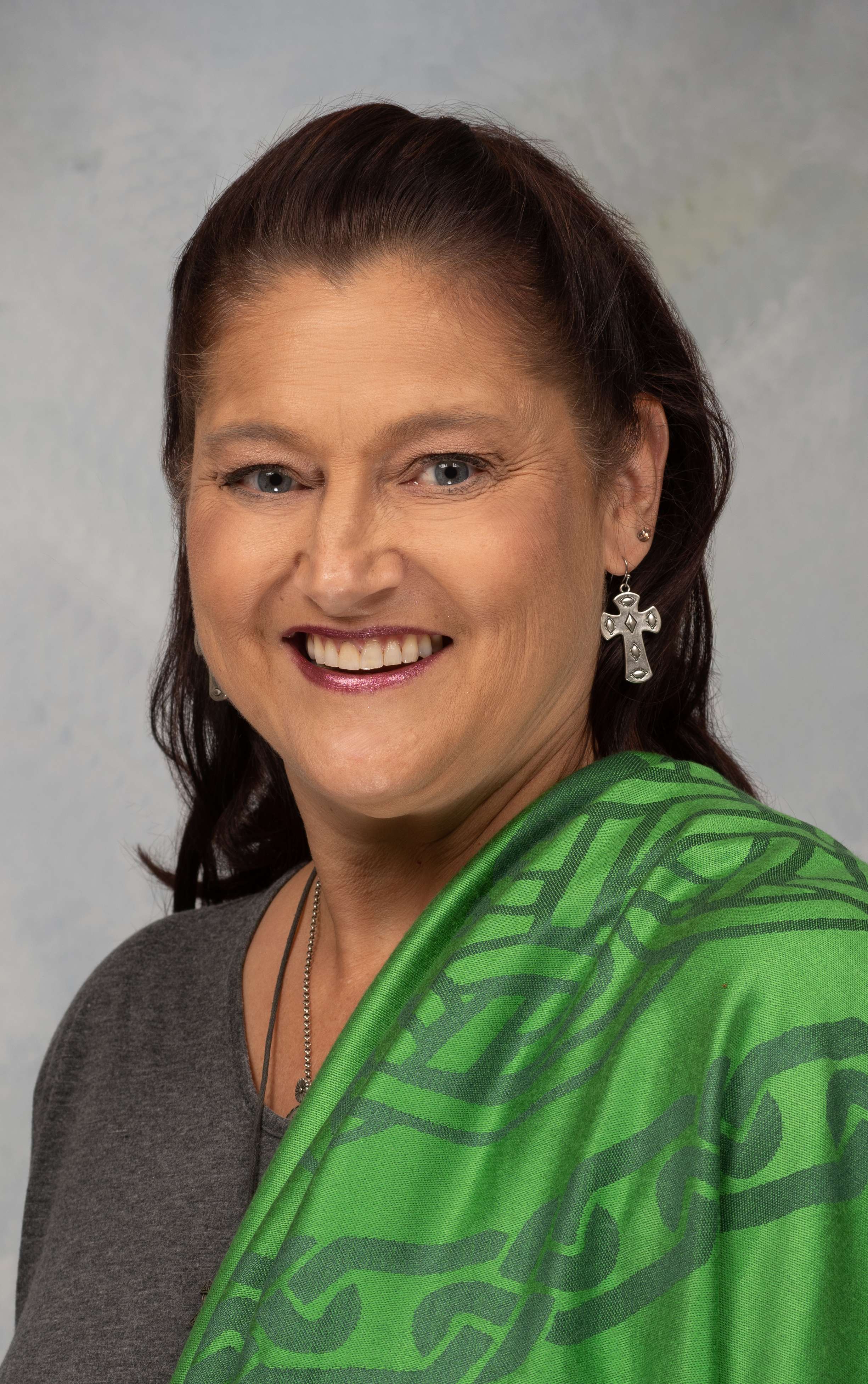
Michelle Beran is a Family and Community Wellness Agent in the Cottonwood Extension District. For more information on this article or other K-State Extension resources, email Michelle at mberan@ksu.edu or call Cottonwood Extension District – Barton Office at 620-793-1910.
All Kansas Extension education programs and materials are available to all individuals without discrimination on the basis of race, color, national origin, sex, age or disability.