


By MIKE COURSON
Great Bend Post
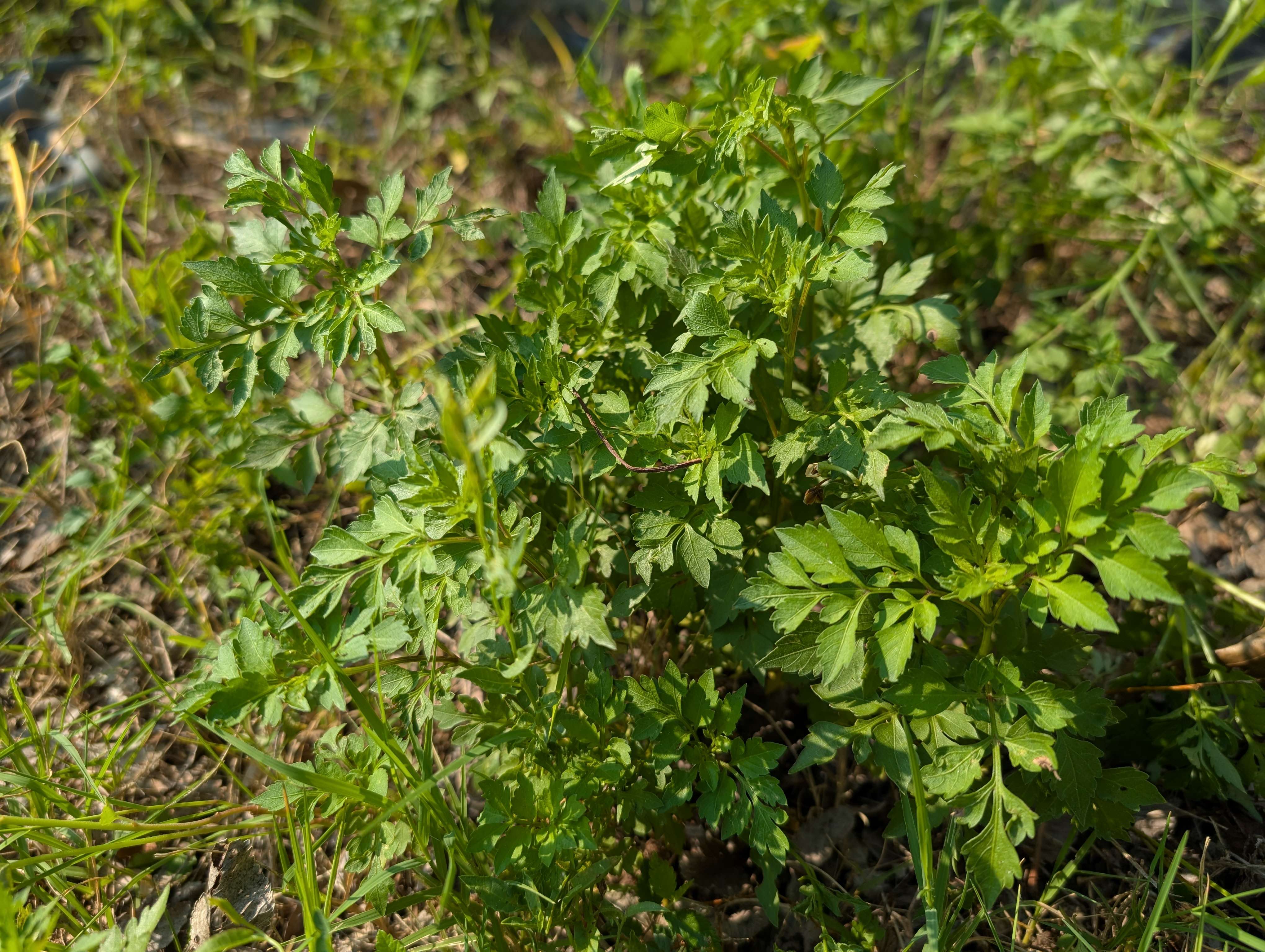
With the recent rainfall across Central Kansas, the mosquitoes are stealing most of the headlines. But a quieter pest is gaining strength beneath your feet. Alicia Boor, agriculture and natural resources agent in the Cottonwood District for K-State Extension, said past and current weather conditions have contributed to healthy weeds.
"If you've had thinner lawns due to the drought from the previous years, it's really allowing the weeds that are coming up to take hold and get ahead of what your regular lawn would look like," she said. "That's just because they take advantage of sparser areas or lawns that are not really thick and healthy."
Weeds can always be pulled but more general control of the plants may be difficult right now.
"A lot of the weeds we're seeing right now are almost too big and strong to try and control," Boor said. "You'd either want to notice where they are, know what they are, and put down pre-emergents in the spring, or spot treat them when they're smaller next year."
Knowing which weeds need controlled is important as not all plants are treated the same. Boor said homeowners can snap a clear photo of a weed and email it to aboor@ksu.edu. Extension staff can provide instructions on how and when to control that particular weed. Extension can also mail or email a publication on weed identification and control.
As with many situations, prevention also goes a long way. Boor said that starts with a thick and healthy lawn. Knowing when to fertilize is crucial.
"Coming up in September is the best time to fertilize your cool-season lawns, which would be your fescue and bluegrass. If you have Bermuda, it's getting to be too late. You may be able to get one last application on, but it's almost too late. You want to fertilize when it's actively growing."