


By COLE REIF
Great Bend Post
Leave the animals be.
That is the top piece of advice from Cheyenne Bottoms Area Wildlife Manager
Jason Wagner references when it comes to citizens asking what they should do
when they encounter “stranded” or injured animals. Wagner noted wildlife staff have received a lot of questions this year of people dealing with baby rabbits and
birds.
In the case of injured animals, Wagner said there are not many resources for
rehabbing the creatures.
"As a wildlife agency, we're worried about population management, not individuals," said Wagner. "We're looking at the big picture. We don't have rehabbers on site. The zoo in Great Bend does take some of the animals, specializing in birds of prey. It's hard for us to find rehabbers and it takes away a lot of our time throughout the day if we're having to move some of these animals around."
Wagner understands that it is natural for some citizens to want to help, but
oftentimes touching or moving an injured baby animal can be a death sentence
for that animal. After the baby or nest is disturbed, the mother will often
move on and not care for the animal.
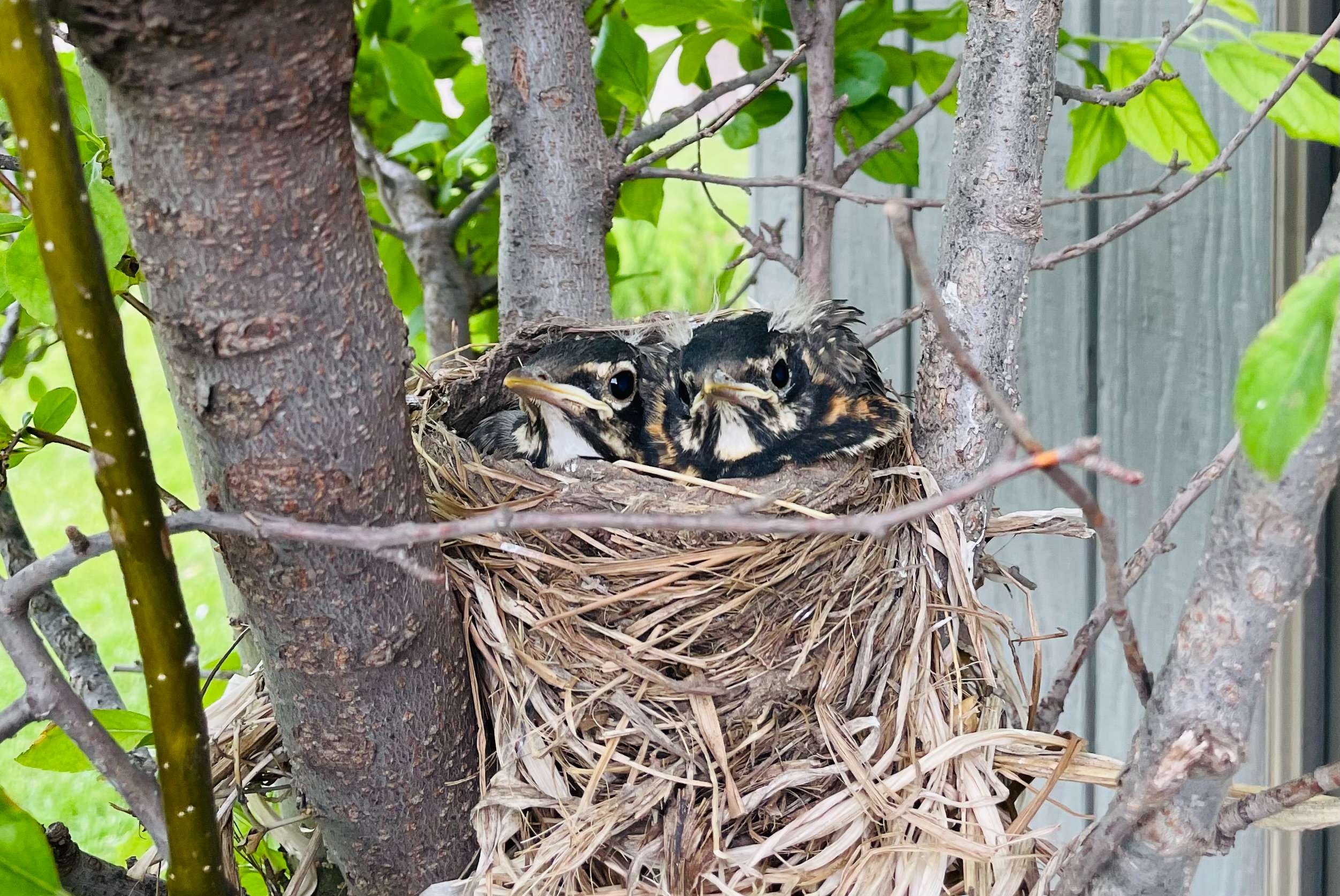
In the example of birds, sometimes a heavy
windstorm will blow them out of the nest or nature is running its course.
"Say four little birds hatch in a nest," said Wagner. "Usually, only one or two will survive. There is one bird in there that is stronger and more fit than the others. In order for that bird to survive, it will push the weaker birds out of the nest. It's part of nature that some of them will not make it."
For people finding baby rabbits burrowed into the ground, they are typically
not abandoned. Wagner said the baby rabbits don’t have much of a scent and they’re
well camouflaged so it is hard for predators to find them. The mother usually
only visits the nest a couple times each day to keep attention away from the
babies.