


Great Bend Post
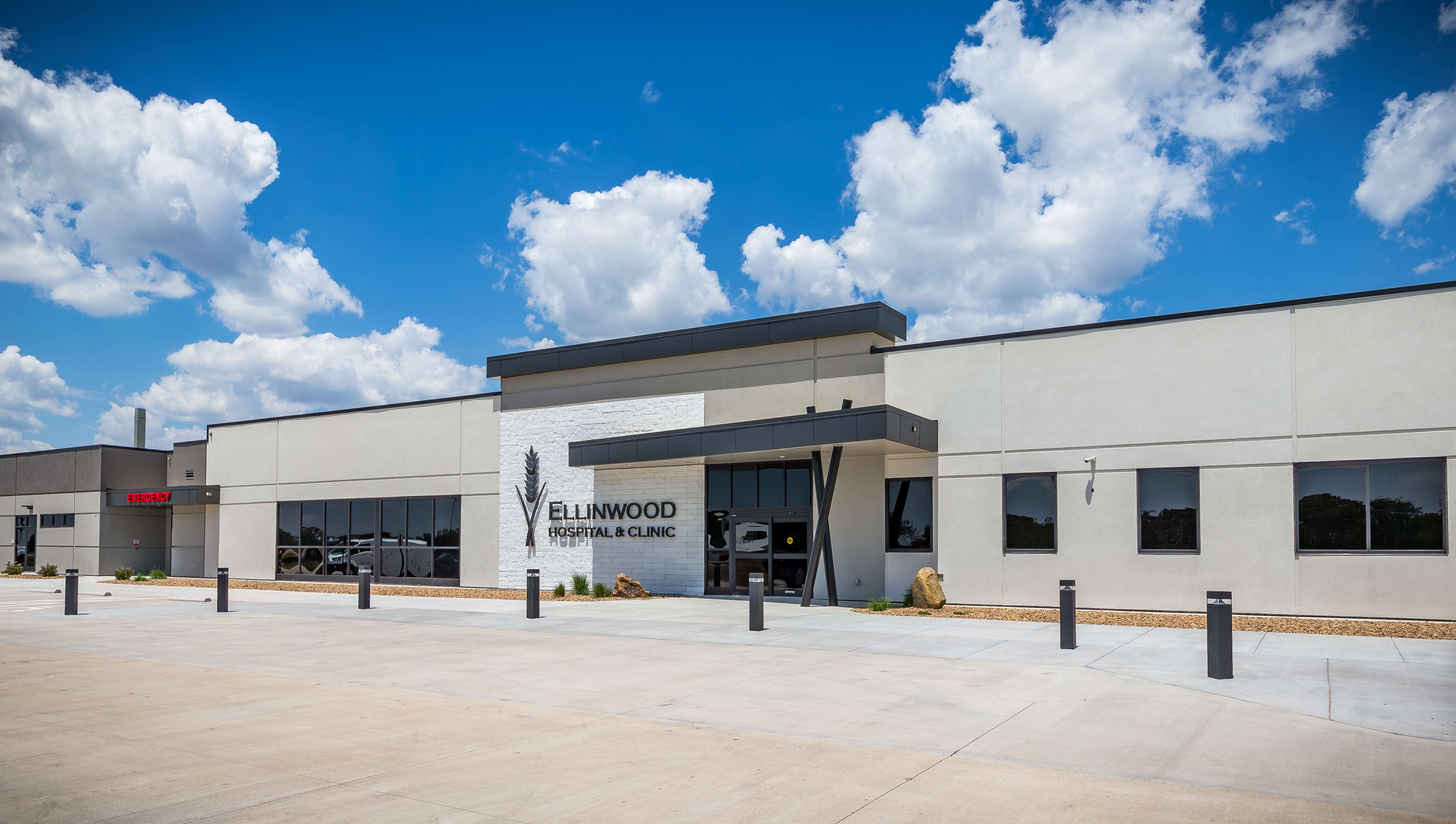
Since opening in 2024, the Ellinwood Hospital and Clinic has been in a battle with the U.S. Department of Agriculture (USDA) over mill levies. Monday afternoon, the hospital officials announced via social media that the Ellinwood Hospital Board of Trustees voted unanimously to accept the USDA's required mill levy increase of 45 mills, up from the 35 mills the board originally wanted. The hospital could now exceed the revenue-neutral rate by more than $540,000.
“At the completion of our new facility in mid-2024, we had not satisfied the USDA’s initial loan conditions,” said Hospital CEO Kile Magner in an August press release. “This gave the USDA an opening to place more restrictive conditions on our loan in order to close.”
Read: Aug. 28, 2025, press release from Ellinwood Hospital and Clinic
In July, the hospital district submitted a formal request to set the mill levy at 35 mills, which would have met the loan's debt service and reserve requirements without. That request was denied on Aug. 14, and hospital officials were notified of the denial 11 days later.
“The 45-mill levy [the USDA is requiring] is the maximum level, so if for some reason we can’t pay, they get their money,” Magner said in the release. “This is a revenue bond project so the debt service should be based on revenue – not taxes. We don’t need an increase to 45 mills, and we don’t want it.”
The denial letter did mention the hospital’s lack of timely response in providing some documentation, as well as limited data available due to the hospital only being in their new facility for one year.
“We own that,” Magner said. “But those factors don’t change the reality — our new facility has demonstrated strong growth, and revenues show we can meet debt service requirements without raising taxes to 45 mills.”
The new rate of 45 mills will impact the average taxpayer in the hospital district by $216.05. The proposed rate of 35 mills would have kept the impact to $78.07 per taxpayer.
“We were never misleading the public,” Magner said. “Our initial documents and agreements never required a tax increase. We accepted things within those conditions from the USDA because this is a revenue bond. It should never have come to a tax situation. Yet, even with adequate revenues, it appears USDA will continue to push for levy increases.”