


From KS Wheat
With nearly 60 percent of U.S. wheat utilized domestically, strengthening consumer confidence and demand for wheat foods remains an important priority for the wheat industry.
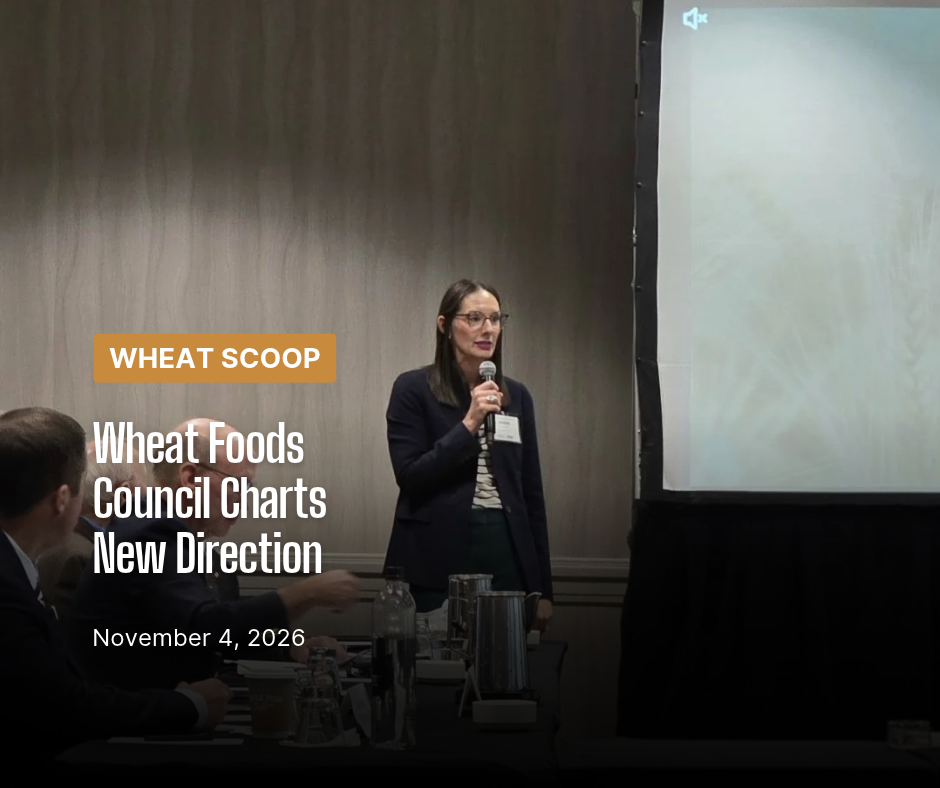
The Wheat Foods Council (WFC) met Nov. 2 during the Fall Wheat Industry Conference in Albuquerque, New Mexico, where U.S. Wheat Associates and the National Association of Wheat Growers also held their fall board meetings. The council continued discussions about its future direction, emphasizing the importance of strengthening domestic demand for wheat. Kansas wheat farmers serve in leadership roles on all of these national wheat organizations.
Founded by wheat farmers more than 50 years ago to promote wheat consumption, WFC is preparing for a new chapter under Executive Director Sheri Glazier, an Oklahoma farmer and registered dietitian.
The organization voted to change its name to the National Wheat Promotion Board, with plans to make it official at its upcoming December membership meeting, reflecting a renewed mission of advancing domestic demand for wheat by elevating farmer voices, connecting farmers and consumers, fostering innovation and aligning the wheat industry around clear, unified messaging.
Domestic Demand Matters
While international trade remains essential to U.S. wheat farmers, domestic consumption represents a significant market. During the 2024/25 marketing year, approximately 1.14 billion bushels of wheat were utilized domestically, compared to 829 million bushels exported.
Maintaining and expanding that demand is particularly important as farmers face low commodity prices, rising input costs and increasing competition for consumers’ food dollars.
Despite years of negative messaging surrounding carbohydrates and gluten, consumer research offers reasons for optimism.
According to the 2024 International Food Information Council Food and Health Survey, just 7 percent of Americans reported following a low-carb diet, while another 7 percent followed a gluten-free diet. Meanwhile, growing interest in sourdough, artisan breads and other wheat-based foods presents opportunities to connect with consumers.
Putting Farmers at the Center
The organization’s renewed mission emphasizes four priorities: elevating farmer voices, connecting producers and consumers, fostering innovation and aligning the wheat industry around consistent messaging.
Farmers bring authenticity and firsthand knowledge to conversations about food production. Sharing their experiences can help build consumer trust, address misconceptions and reinforce wheat's role in providing affordable, nutritious and versatile food choices.
Innovation will also play an important role, from exploring new wheat-based products to identifying opportunities that respond to changing consumer preferences.
By working together, wheat organizations can amplify these messages and strengthen consumer confidence in wheat foods.
Building on Kansas Wheat’s Efforts
Kansas Wheat already contributes to domestic wheat promotion through EatWheat.org, a consumer-focused resource providing recipes, nutrition information and stories connecting consumers with the farmers who grow their food.
The National Wheat Promotion Board’s proposed direction complements these efforts and creates opportunities for greater collaboration among state wheat organizations.
For Kansas farmers, the renewed focus reinforces an important message: growing demand for wheat is just as important as improving production.
While increased consumption does not guarantee higher farmgate prices, sustained domestic demand helps support the long-term market for U.S. wheat.
More than five decades after farmers established the Wheat Foods Council, its proposed transformation reflects the same fundamental goal: building a stronger future for wheat farmers by encouraging more people to choose wheat foods.