


By:Morgan Chilson
Kansas Reflector
TOPEKA — House and Senate Republicans overrode Gov. Laura Kelly’s veto Thursday to preserve a bill they say will protect free speech in the name of slain activist Charlie Kirk.
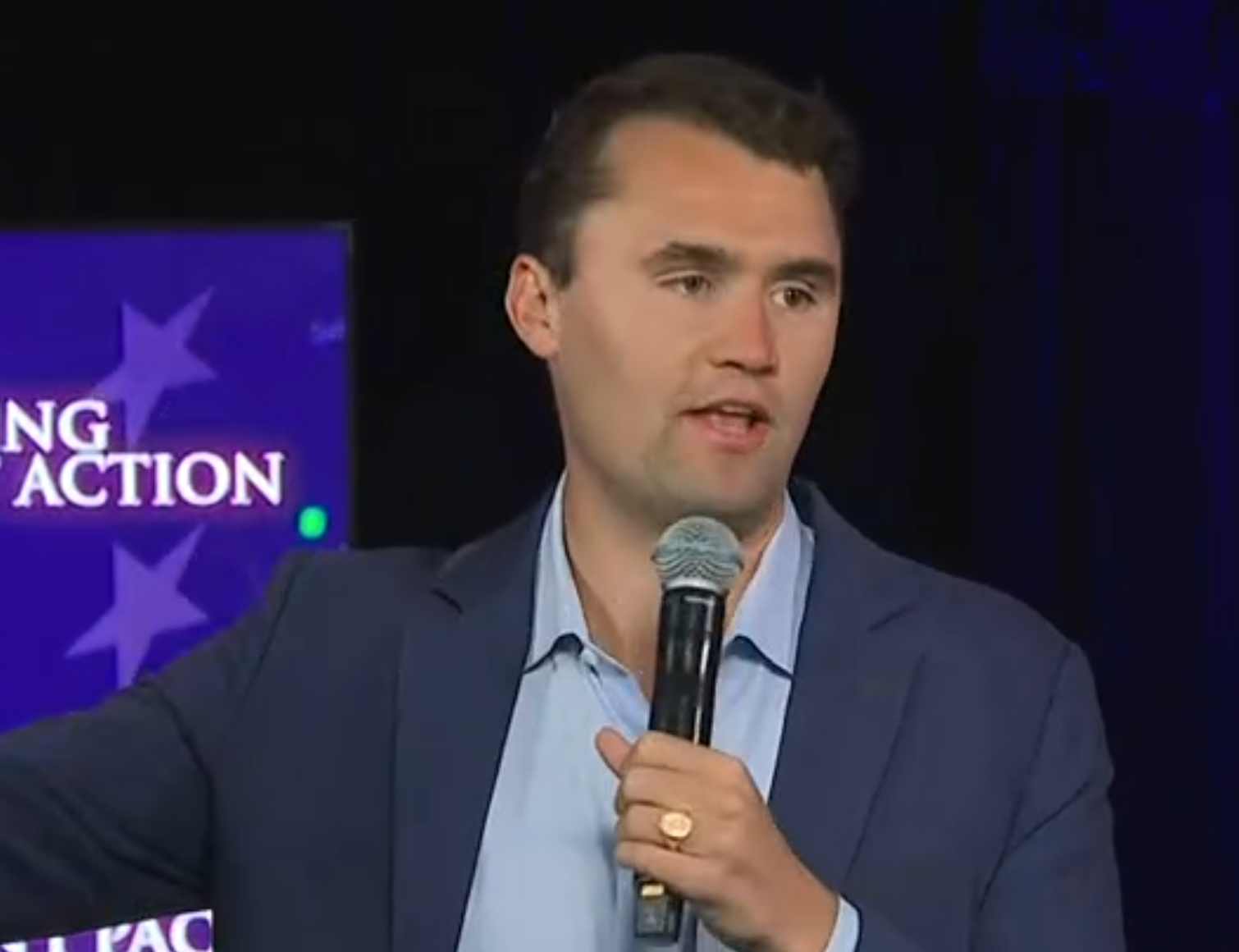
Both chambers voted by a two-thirds majority to put House Bill 2333, or the Kansas Intellectual Rights and Knowledge Act, into law. The bill addresses free speech on college campuses and honors Kirk, a political activist killed by a gunman in September while speaking at a college event.
The bill defines outdoor areas of campuses as public forums and allows the attorney general or aggrieved individuals to seek damages in court. Opponents said the bill was actually written to allow student associations to exclude members based on political, ideological or religious beliefs.
Kelly said the bill would cause confusion for courts and schools.
“I have long believed that the quality of public debate in our nation has been declining, and I strongly support the toning down of political rhetoric and a return to civility,” Kelly said. “Schools and college campuses are excellent places to begin this process. However, free speech and civil discussion are already protected by our state and federal constitutions.”
Rep. Susan Estes, R-Wichita, who carried the bill in the House, said it is necessary to protect both free speech and students.
“This bill sets up neutral policies that get applied to everybody, whether you agree with them or not, to be able to speak safely, a place for counter-protesting safely,” she said. “If we can’t share our difference of opinions respectfully, then I cry for our country.”
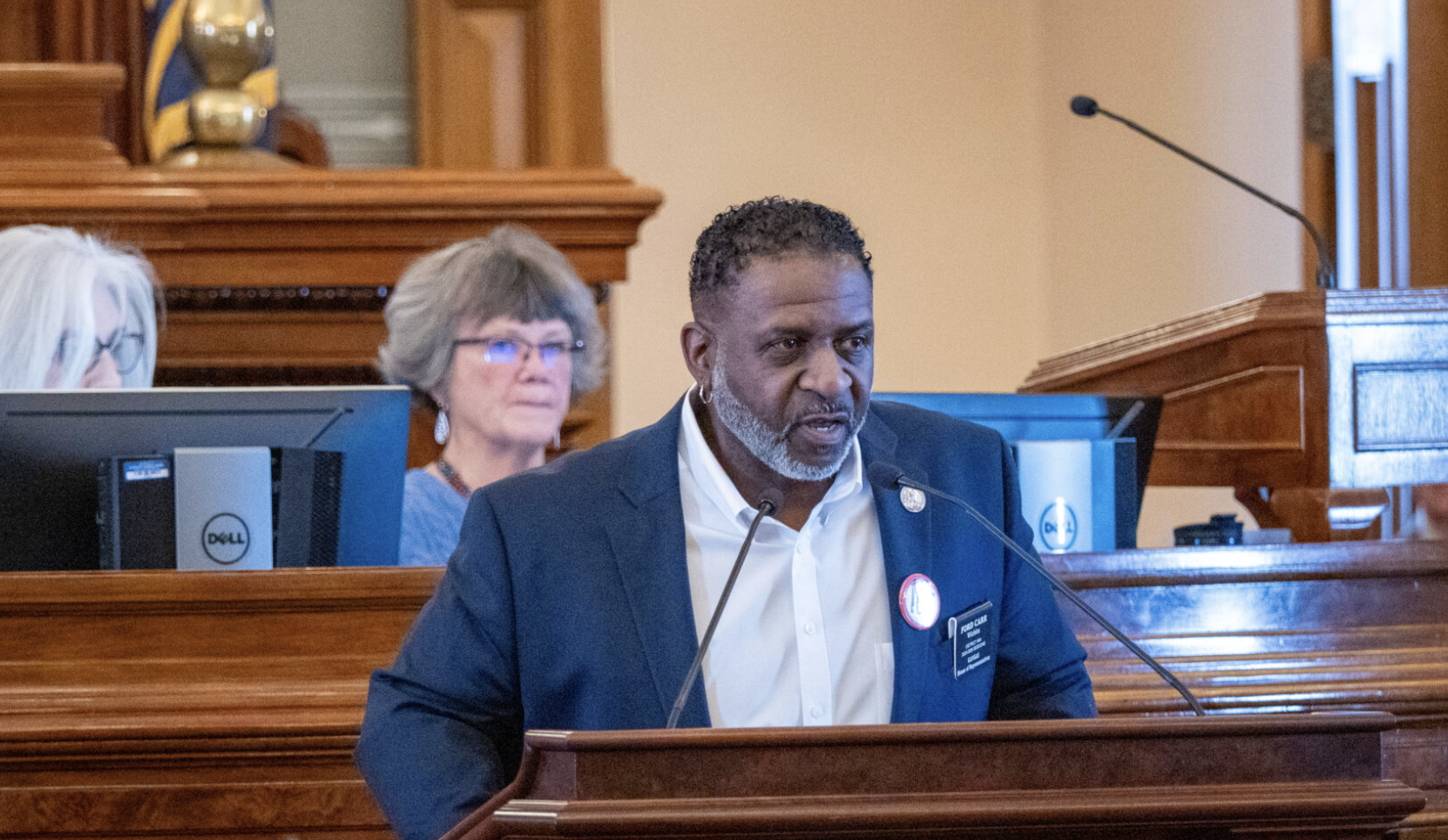
Republicans called out Rep. Ford Carr, a Wichita Democrat, for impugning the motives of House members during debate on the bill. Carr challenged legislators to consider the size of their testicles in determining whether they had the guts to vote to sustain the governor’s veto.
He said he has been told that he must have “testicles the size of bowling balls” to stand up the way he does in the House.
“I represent my district. I represent those people that put me here, and I would suffice to say that if you do the same for those people that you represent, I don’t hold the only pair of bowling balls in the room,” Carr said.
“Many of you do have a conscience, albeit difficult sometimes,” he said, which was when he was called to task for impugning motives.
“I’m certainly not doing anything different than anyone else does when they’re addressing the body and they’re speaking from the heart and those things that affect them and their constituency,” Carr said after being told to talk only about the bill. “If there is an issue with someone not wanting to represent their constituency, then I would suggest, possibly, that that individual find new employment.”
Rep. Jerry Stogsdill, a Prairie Village Democrat, said the Legislature was overreaching and interfering with the rights of the Kansas Board of Regents.
Acknowledging how horrible Kirk’s death was, Stogsdill said he nevertheless doesn’t support honoring Kirk.
“He was exercising his free speech, which I totally agree with,” Stogsdill said. “But when you use your free speech to promote hate and bigotry and misogyny and racism, that is something that this body should not honor and encourage.”
Rep. Kirk Haskins, D-Topeka, raised concerns that the bill treats political organizations and political ideologies in the way that religious freedoms are protected.
“Now Republican organizations, Democrat organizations, Libertarian organizations, will have the same protection as religion, and that is a violation of the Bill of Rights,” Haskins said.
The House overrode the veto on an 85-38 vote.
There was no debate on the bill in the Senate, which overrode the veto on a 29-11 vote.
In a release about Kelly’s veto of the bill, House Speaker Dan Hawkins said college campuses are a place where speech should be protected and not shut down.
“The KIRK Act ensures that taxpayer-funded institutions do not pick and choose which voices are allowed and which are silenced,” he said.