


Incendiary debate includes dispute on free parking for legislators in state lots
By: Tim Carpenter
Kansas Reflector
TOPEKA — Members of the Kansas House and Senate engaged in fierce debate Friday about wisdom of legislators’ 4.4% pay raise before voting to override Gov. Laura Kelly’s veto of the legislative branch’s budget in a bid to force reconsideration of a 1% salary increase for thousands of rank-and-file state employees.
Both chambers also voted to override Kelly’s veto of a budget item granting the 165 state representatives and senators free access to state-operated parking lots or garages from 5 p.m. to 11 p.m. The parking issue surfaced after legislators had vehicles towed from a lot leased by the Kansas Department of Revenue located two blocks from legislators’ free underground garage beneath the Capitol.
The governor vetoed 31 sections of the budget in House Bill 2513, which had been approved by the House and Senate for the fiscal year starting July 1.
In terms of state employee compensation, Kelly was critical of the 4.4% raise provided state legislators because it came on heels of their 93% pay increase two years ago. In the governor’s budget presented to legislators in January, she recommended a 2.5% salary boost for state workers.
“The 1% pay increase for state employees in this budget is nothing but an afterthought despite the vital work these employees do,” Kelly said. “It shows a total lack of respect for the hard work executive branch employees do on a day-in and day-out basis.”
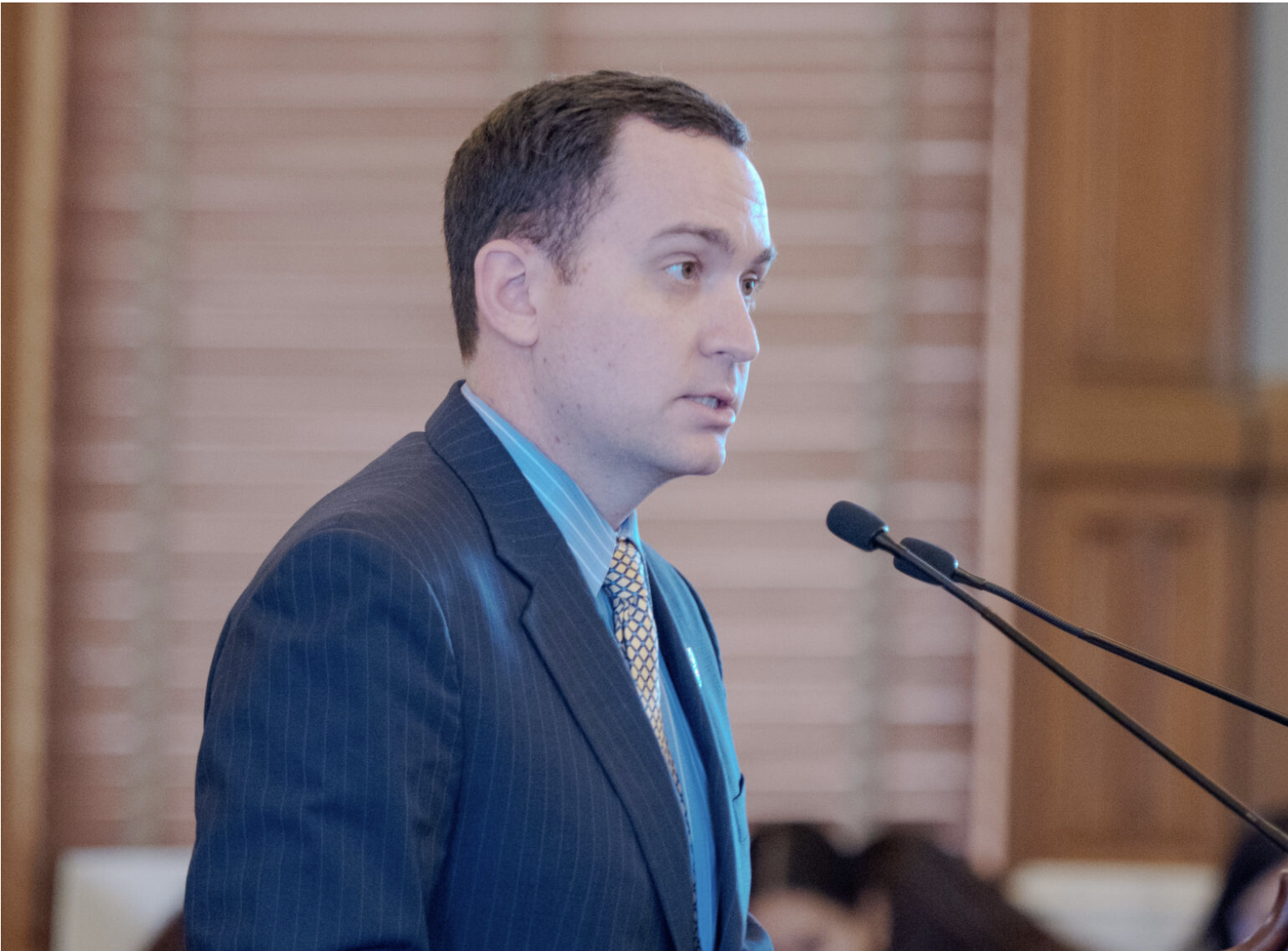
Rep. Blake Carpenter, a Derby Republican, and Senate Majority Leader Chase Blasi, R-Wichita, framed the governor’s tactical decision to veto funding for operation of the Legislature as an existential threat to democracy. They focused their frustration on Kelly, who will depart her office on the second floor of the Capitol in January after completion of her second four-year term.
“I guess if you want a dictatorship,” Carpenter said, “this is how you do it.”
Blasi put a royal spin on the critique: “We’re going to have a queen on the second floor if this Legislature is not funded. We shouldn’t be playing games. That is exactly what the governor did when she vetoed this. She essentially thumbed her nose to the Legislature.”
The 4.4% pay raise for legislators — tied to an index of average wage growth in Kansas — would cost taxpayers $400,000. That cash would be applied on top of the $58,000 most members receive apiece in salary, mileage, a per diem for meals and lodging, and supplemental pay for interim legislative meetings. In addition, he said, the 10% surge in salaries for legislative branch staff would cost the treasury $1.8 million.
It would cost the state an estimated $33 million to implement the governor’s recommended 2.5% raise for other state employees, he said.
Carpenter said it was “very hypocritical” of the governor to criticize legislative branch raises and not point a finger at previous wage hikes provided the judicial or executive branches of state government. In 2025, the Legislature elevated the annual salary of the governor to $174,000, up from $110,000. Salaries of Attorney General Kris Kobach, Secretary of State Scott Schwab, Treasurer Steven Johnson and Insurance Commissioner Vicki Schmidt were elevated to $160,000.
Rep. John Carmichael, D-Wichita, said Carpenter failed to fully represent the compensation of House and Senate members. In addition to the near-doubling of salaries, Carmichael said, the state’s part-time lawmakers participated in a retirement plan with escalator clauses treating them as if they earned $90,000 per year from the state. State legislators receive $6,000 per year for sending mail to constituents, he said.
“Much of which strongly resembles campaign mail,” Carmichael said. “So, to come in here and plead for an override of the governor’s veto on the basis that state legislators need to receive a raise is, in my judgment, absurd.”
Carmichael said the 1% across-the-board salary adjustment for state workers wouldn’t match the inflation rate or the cost of higher health insurance premiums.
“I know it is politically convenient to beat up on state employees and say they’re bureaucrats, but these are public servants,” said Senate Minority Leader Dinah Sykes, D-Lenexa. “This is an insult to state employees.”
Rep. Troy Waymaster, a Bunker Hill Republican and chairman of the House Appropriations Committee, said he opposed the 1% raise for state workers that was the preference of Senate negotiators. A better idea, Waymaster said, would be to concentrate state resources on raising salaries of state workers making at least 10% less than market rates for those jobs. It’s important to draw those salaries closer to job-market realities, he said.
The result of the House capitulating to the Senate meant hundreds of state employees earning far below market rate didn’t make up ground on private-sector peers, said Rep. Alexis Simmons, D-Topeka. She said there were 460 state social workers at 17% below market, 200 state human services assistances making 16% below market and 225 state research analysts or special investigators working at 11% below market.
“I do not believe we should be prioritizing our own financial security over the people that elected us,” Simmons said.
In terms of parking privileges, House and Senate members said there had been a series of incidents in the past year in which legislators had cars towed from the Department of Revenue’s lot located in a small hotel and bar district east of the Capitol. This budget provision vetoed by Kelly and overridden in the Legislature would allow legislators and other state workers to park for free in state-controlled lots during after-work hours.
Legislators who had vehicles towed in Topeka didn’t step forward as the House and Senate debated the override. No legislator offered a defense for granting themselves free access to state lots that were off limits to the general public. It wasn’t clear how the new system would be policed or who would pay tow charges when a mistake was made.
“This whole thing is ridiculous,” said Rep. Lynn Melton, D-Kansas City. “We’re grown adults. We should know where we should and shouldn’t park.”
Rep. Stephanie Sawyer Clayton, D-Overland Park, agreed: “To vote in such blatant privilege makes us more like the corrupt politicians in the swamp that we are constantly complaining about in D.C. than the honest, open politicians that represent the state of Kansas.”