


Kansans demand property tax reform, but Legislature struggles to make a deal
By: Tim Carpenter
Kansas Reflector
TOPEKA — Kansas Senate President Ty Masterson shared with television viewers Jan. 12, 2021, a vision for how Republicans could deal with runaway property taxes.
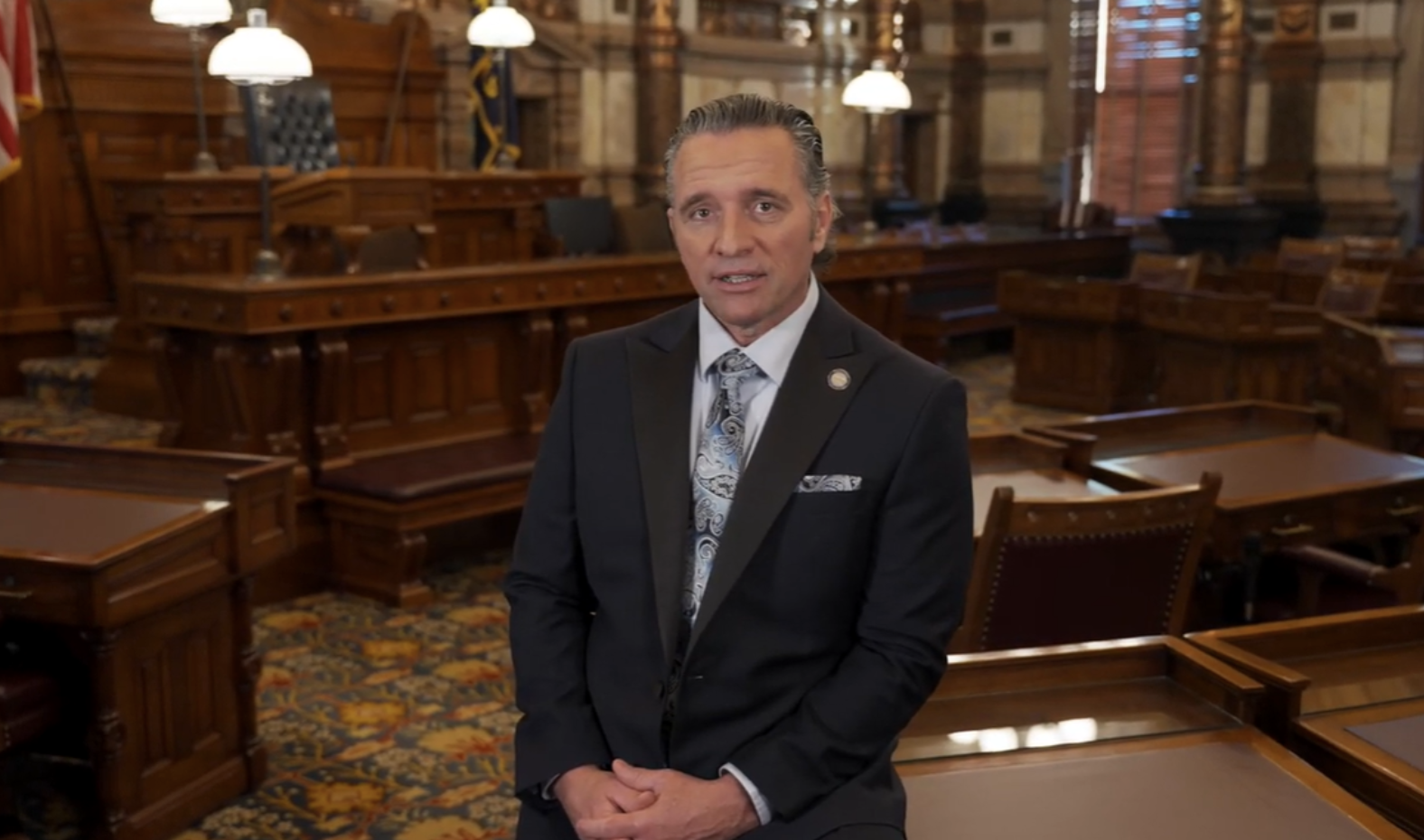
In the reply to Democratic Gov. Laura Kelly’s State of the State speech, Masterson promised lawmakers would address the burden of $5.4 billion in property taxes collected statewide at that time. It wasn’t an unimaginable political feat given Masterson’s authority over the GOP supermajority in the Senate and House Speaker Dan Hawkins’ control of the two-thirds Republican majority in the House.
It was a politically astute pledge, because polling consistently affirmed property tax applied to homeowners was the most hated, relative to sales and income taxes.
“We must work to enact meaningful property tax reform to allow seniors and families to stay in their homes,” Masterson vowed.
The Legislature spent the next five years nibbling on the edge of reform, but annual statewide revenue from property taxes ballooned to $6.6 billion by 2025. Legislators continued to hear from folks outraged by double-digit escalation of property valuations that triggered tax increases even when mill levies remained flat.
Sen. Cindy Holscher, the Democratic Party’s nominee for governor, said Masterson and Hawkins failed to leverage their Republican supermajorities to grapple with property taxes in the manner they did to slash state income taxes and trim the state’s sales tax on groceries. In the 2026 legislative session, the House and Senate ran into gridlock as they took turns voting down competing GOP property tax bills.
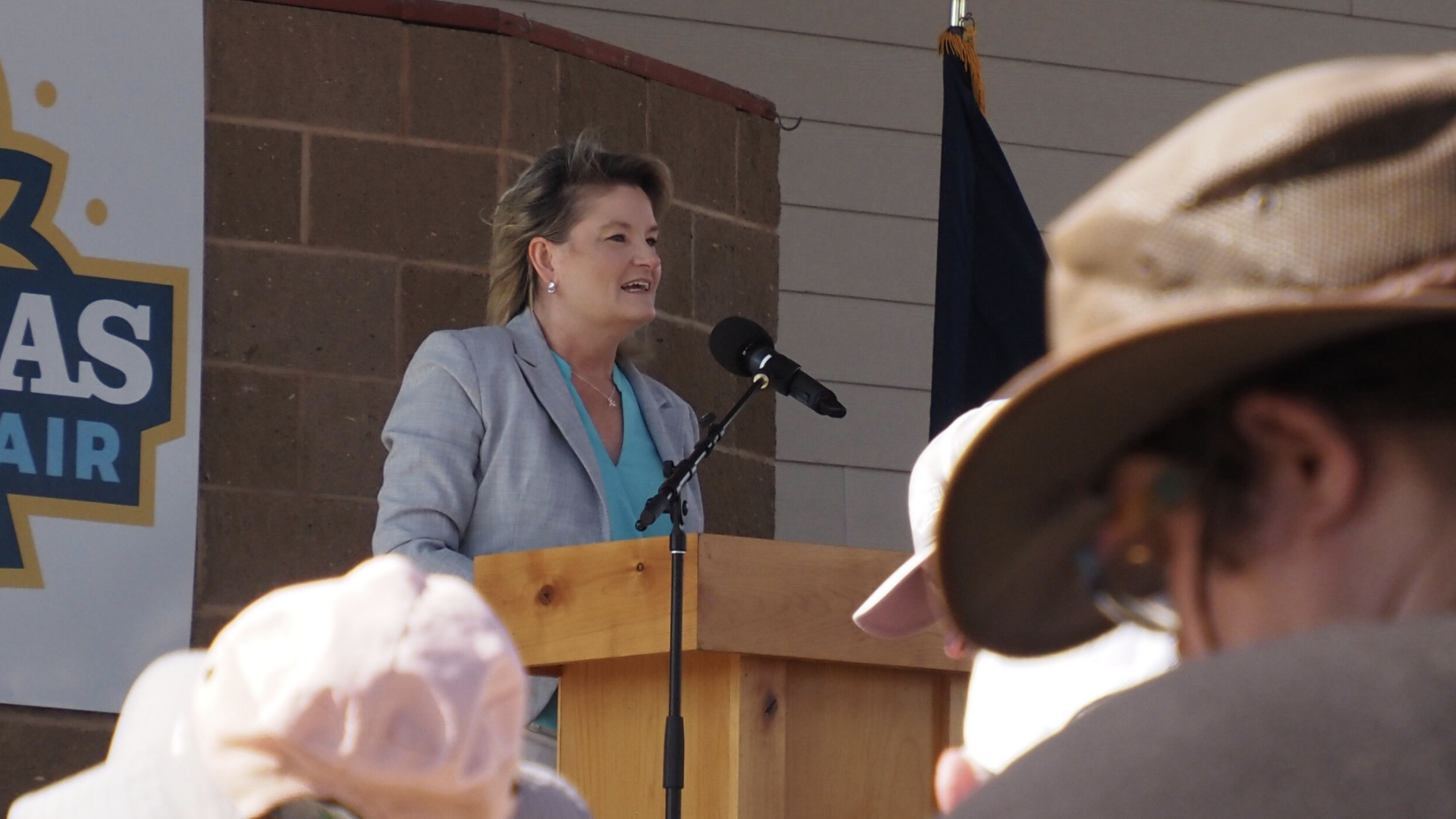
“Ty Masterson has had years as Senate president, with a Republican supermajority behind him, and time and again he has repeatedly failed to deliver the property tax relief Kansans need,” Holscher said. “He said, ‘We can do whatever we want because we’re in charge.’ He either doesn’t want to do this or doesn’t know how.”
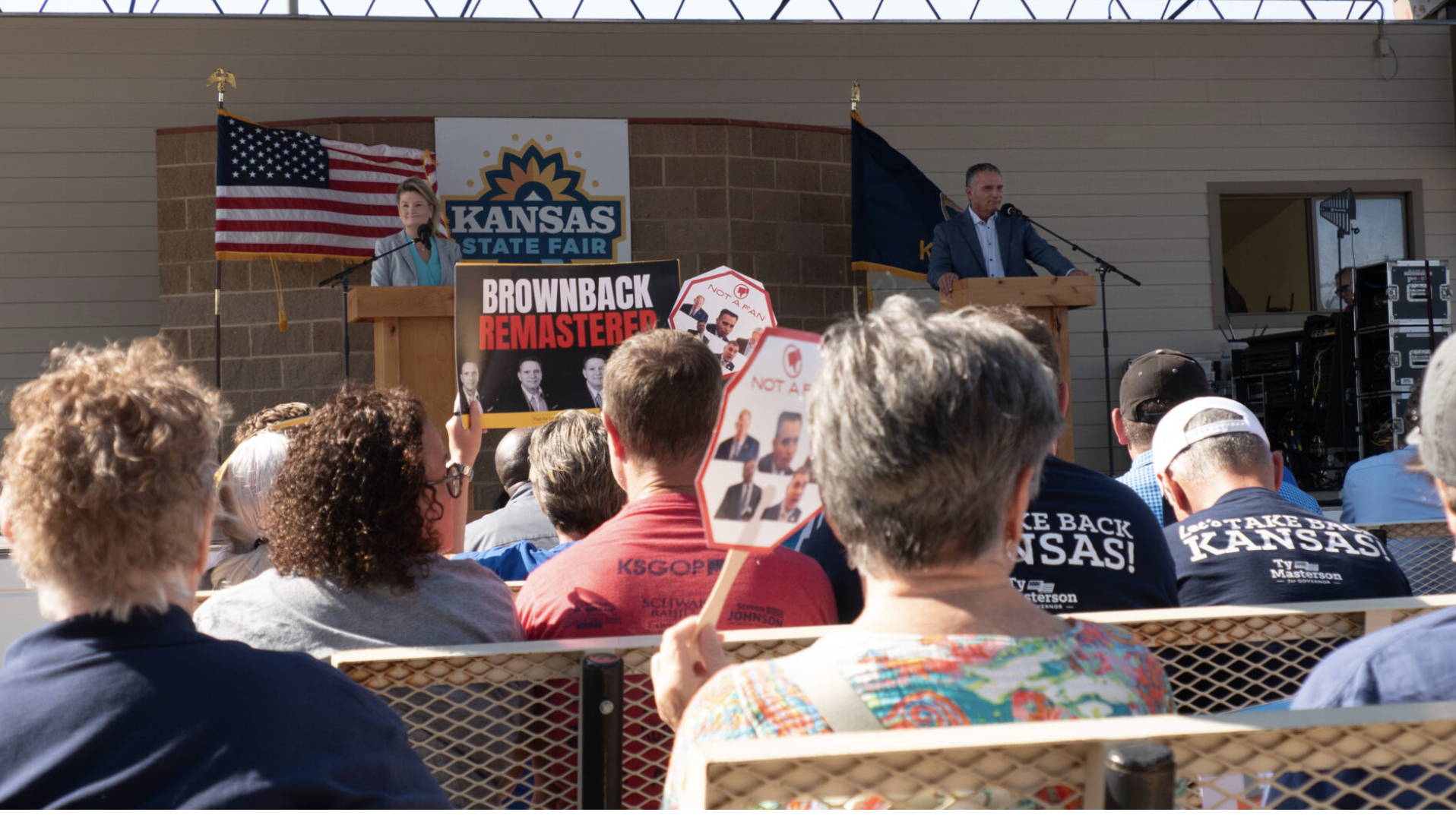
Masterson, the Republican gubernatorial nominee, joined the outcry. He said he was disappointed obstinate Democrats and “phony Republicans” stood in the way of efforts to limit the ability of school, city and county officials to pile up property tax revenue.
“The truth of why your taxes are so high … people like Cindy have not met one of your tax dollars she didn’t want to spend two of. You have to put constraints on the local government,” Masterson said. “I want to make your life more affordable and property taxes is a big part of that.”
In 1997, residential property owners in Kansas accounted for 38% of property tax revenue, while commercial property owners picked up 62%. The accumulation of tax exemptions for businesses reversed the math. By 2024, residential owners paid 57% of the property tax bill in Kansas and commercial property owners in the state covered 43%.
The track record
The Legislature during the past five years considered dozens of ideas for modifying the property tax landscape, but momentum for reform was tempered by the reality that local government received the majority of its funding from property tax. Cities and counties objected to the Legislature wading into their funding stream.
In 2021, the Legislature approved a “truth in taxation” law preventing cities, counties or townships from raising property tax revenue above the previous year’s inflation-adjusted total without mailing advance notice to taxpayers and conducting public hearings before voting on property tax changes.
State lawmakers in 2022 agreed to provide property tax reimbursements to retail business owners subjected to shutdown orders during the COVID-19 pandemic. Attempts by the Legislature to implement vehicle property tax relief prompted vetoes by Democratic Gov. Laura Kelly. Legislators did raise the residential exemption on property taxes to fund K-12 public schools from $20,000 to $40,000. That saved the average homeowner about $46 per year. Meanwhile, the Legislature approved property tax exemptions for telecommunications equipment.
In 2023, lawmakers debated, but failed to pass, an amendment to the Kansas Constitution to cap growth in property valuations that were the cause of higher tax bills for many homeowners.
In 2024, Kelly signed a measure raising the residential property tax exemption to $75,000 when calculating the 20-mill levy for aid to K-12 public schools. The Legislature’s focus that year was on cutting state income taxes. During a special session, the Legislature and governor agreed to a $1.2 billion, three-year reduction.
The Legislature voted in 2025 to eliminate 1.5 mills of state property tax levies relied on to finance state building construction projects. But that $80 million annual reduction in state property tax collections did nothing to change the reality that local governments continued to depend on property taxes for the vast majority of operating revenue. Kansas did adopt a property tax exemption in 2025 for off-road vehicles, boats and trailers.
In 2026, the House and Senate clashed for months without finding consensus on a sweeping property tax fix.
With Masterson’s blessing, the Senate tried to bulldoze through the legislative process an amendment to the Kansas Constitution limiting increases in annual assessment of property values to 3%. The House declined to endorse that approach. Instead, the House sought to prevent local units of government from increasing revenue from property taxes by more than 3% annually. Amid that debate, proposals calling for phasing out the property tax and replacing that revenue with a higher sales tax floundered.
Kelly vetoed a bill in the 2026 session that would have capped city and county spending increases at 3% or the rate of inflation and would have authorized Kansans to file signature petitions to block local property tax increases above that threshold. The governor dismissed the measure as evidence of the legislative leadership’s “false promise” of meaningful property tax reform.
Instead, she encouraged the Legislature to double to $150,000 the portion of a home’s value not subject to property taxes for schools. She recommended creation of a $60 million state fund to reward cities or counties that held budget increases to less than 3%.
Plans for change
Masterson, who has said during the governor’s race that property tax reform was a top priority, offered voters a “Homeowners Bill of Rights” that would guide the Republican if he were elected governor Nov. 3.
The blueprint would be anchored by a constitutional amendment to cap at 3% annual growth in the valuation of taxable property. In the alternative, the amendment would enable the Legislature to impose a limit on property tax rates. Constitutional amendments require consent from two-thirds of the House and Senate before placed on a statewide ballot.
“I have a neighbor. He’s spending more than double the property tax alone than he had been for his entire mortgage, interest, insurance taxes combined,” Masterson said. “At the same time, that’s putting such a load on our young people to afford housing, and homeownership is the underpinning of the middle class of any country. Our first-time average homeowner is now close to 40, and that’s just not acceptable.”
Masterson, who has represented Andover in the Legislature for 20 years, said he wanted local taxing jurisdictions to secure direct voter consent for “unreasonable” budget increases linked to property tax revenue. He would freeze or reduce property taxes for senior citizens and work toward inhibiting Kansans from being “taxed out” of a home, farm or business.
Holscher, an Overland Park resident elected to the Legislature in 2016, said much of the GOP’s strategy for property tax reform amount to “gimmicks” or concepts designed to financially starve local governments responsible for delivering essential public services.
“They squeeze the balloon, they shuffle the responsibility somewhere else, and it makes it harder for our local levels to raise the revenue they need for their critical services,” she said.
Holscher recommended the Legislature provide funding to fully meet its obligation to finance special education programs in K-12 public schools. When the state avoided its responsibility to students, she said, local school boards were forced to dip deeper into property tax revenue to cover program costs.
“Special education hasn’t been fully funded since 2011,” she said. “We’re federally mandated to fund it. When we don’t do that, that burden gets shifted to the local level.”
The Democratic senator said Kansas ought to lower the taxed percentage of home values from 11.5% to 9%, which would deliver property tax relief to homeowners across all income levels. In addition, Holscher recommended restraining the issuance of tax breaks to wealthy business owners. She also support specific property tax exemptions for seniors and disabled veterans.