


KDHE
TOPEKA – The Kansas Department of Health and Environment (KDHE) continues to investigate cases of cyclosporiasis in Kansas related to the national outbreak and Taylor Farms de Mexico iceberg lettuce, which was voluntarily recalled from restaurants and grocery stores on July 17. The U.S. Food & Drug Administration (FDA) continues to provide updates on the sources of the cyclosporiasis outbreak on its Cyclosporiasis Response page.
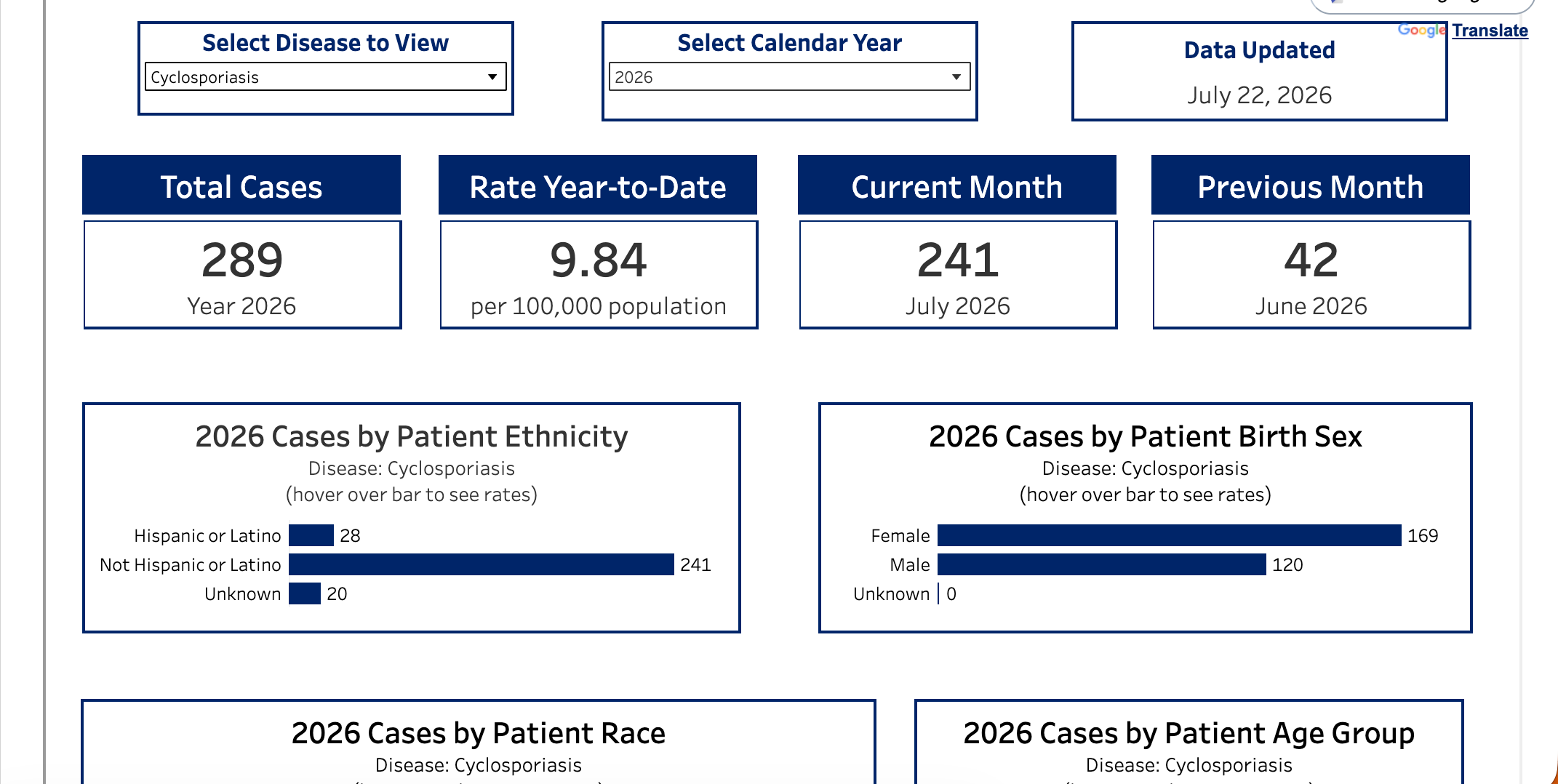
As of July 22, KDHE is reporting 289 total cases of cyclosporiasis in 2026 in Kansas. Of those, 114 are domestically acquired infections, 24 are likely linked to international travel, 6 for which the exposure could not definitively be classified as domestic or international, and 145 are pending classifications. The most updated information on cyclosporiasis in Kansas and updated recall information can be found at the new KDHE Cyclosporiasis Surveillance Data webpage, with case counts updated every Wednesday.
KDHE continues to work with local health departments to interview cases and identify common exposures to prevent additional illnesses. Individuals diagnosed with cyclosporiasis are encouraged to talk to health department staff investigating these illnesses when they reach out to help identify a potential cause.
After further investigation of the recent cases in Kansas, KDHE can now confirm some of the cases are connected to the outbreaks of cyclosporiasis that have been occurring across the United States in 2026. Since May 1, 2026, the U.S. Centers for Disease Control and Prevention (CDC) has received reports of 4,173 confirmed domestic cases of cyclosporiasis and is aware of more than 7,400 cases that require further investigation to confirm the illness as domestically acquired cyclosporiasis. Among confirmed cases, 308 hospitalizations and zero deaths have also been reported.
On July 17, Taylor Farms de Mexico of Guanajuato, Mexico, announced that it is voluntarily removing all iceberg lettuce sourced from central Mexico from the U.S. market. The only two retail products included in the recall so far are Marketside-brand products available at Walmart:
- Marketside 12-oz and 24-oz Iceberg Salad with Best if Used By dates July 18 to Aug. 3, 2026.
- Marketside 8-oz and 16-oz Shredded Lettuce with Best if Used By dates July 18 to Aug. 3, 2026.
The remainder of the products are sold for food service to restaurants and other food service facilities. A complete list of affected products, including lot codes, use-by dates, and instructions for returning or disposing of the affected product, is available on the company’s recall notice.
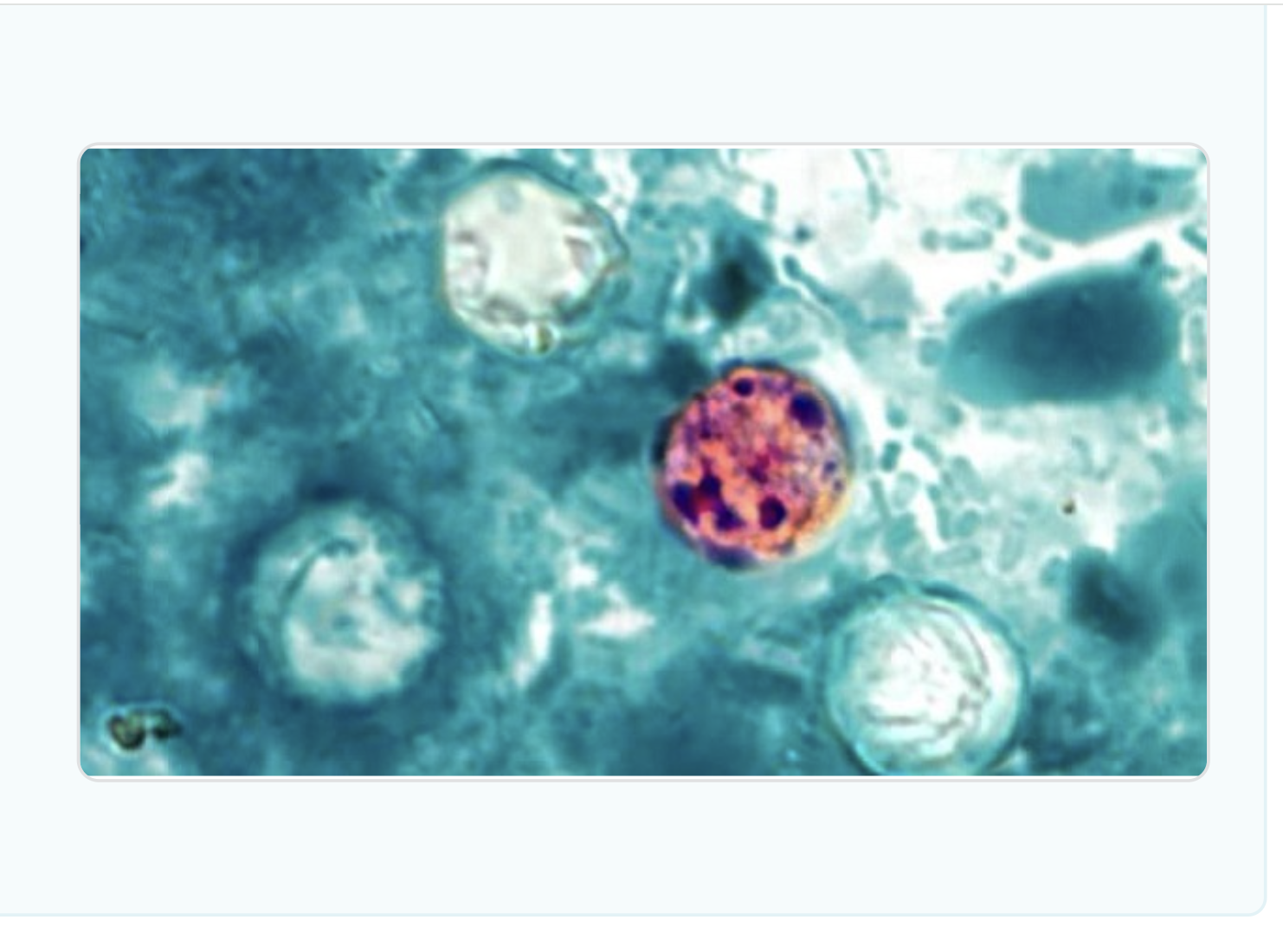
The recall is not currently in effect for other Taylor Farms brand products that are available for purchase. Cyclosporiasis is caused by infection with the parasite Cyclospora cayetanensis, which is commonly found in tropical or subtropical countries and spread by food or water contaminated with feces. In recent years, outbreaks have occurred in the United States because of eating contaminated fresh produce, especially during the summer months. Cyclosporiasis, the disease caused by Cyclospora cayetanensis, is not known to spread from person to person. Symptoms occur two to 14 days after exposure and may include:
- Frequent watery diarrhea.
- Loss of appetite
- Weight loss.
- Abdominal cramps and bloating.
- Nausea
- Less common symptoms include vomiting and low-grade fever.
Individuals experiencing sudden gastrointestinal illness are encouraged to contact and be evaluated by a health care provider. If untreated, the illness may last for a few days to a month or longer. Symptoms of cyclosporiasis can be improved with antibiotic treatment from a health care provider.
The CDC recommends the following to avoid illness from Cyclospora or other harmful organisms:
- Wash all fruits and vegetables thoroughly under running water before eating, cutting, or cooking.
- Scrub firm fruits and vegetables, such as melons and cucumbers, with a clean produce brush.
- Cut away any damaged or bruised areas on fruits and vegetables before preparing and eating.
- Refrigerate cut, peeled, or cooked fruits and vegetables as soon as possible.
It is important to note that there is no way to ensure all Cyclospora parasites have been washed away from food, and consumers will not completely eliminate their risk of infection by washing produce due to the way the parasite can 'stick' to foods.
Cooking fresh produce before consuming or avoiding fresh produce all together during periods of increased cyclosporiasis activity are the safest options and are the preferred prevention methods for those who have a higher risk of dehydration or weakened immune systems such as patients on chemotherapy, organ transplant recipients, infants and young children, and elderly people. Cooking food to 158 degrees Fahrenheit (70 degrees Celsius) may inactivate the parasite.
Cases of cyclosporiasis are required to be reported by healthcare providers to KDHE or local health departments within 24 hours or the next business day per Kansas Administrative Regulation (K.A.R.) 28-1-2. Kansas disease case counts are updated every Wednesday on the KDHE Kansas Reportable Infectious Disease Dashboard.
For general questions on cyclosporiasis, visit https://www.cdc.gov/cyclosporiasis/index.html, or call the KDHE Epidemiology Hotline at 877-427-7317 (option 5).